Welcome to Raised Bed Planner, a practical gardening resource built specifically for beginner vegetable gardeners. Starting your first backyard garden can feel overwhelming when deciding where to place your beds, how much space each vegetable needs, and which crops grow well together. A reliable raised bed planner takes the guesswork out of layout design, soil preparation, and planting schedules so you can grow healthy, delicious produce with confidence from day one.
Whether working with a small patio or a suburban yard, raised beds offer superior drainage, easier weed control, and ergonomic comfort compared to in-ground plots. Elevated planters eliminate rototilling and let you customize your soil blend with rich compost from the start. Creating elevated growing zones gives vegetable roots immediate access to loose, fertile loam.
Our guides break down garden planning into clear steps. We explain how soil biology, sun orientation, and crop spacing combine to help plants flourish while protecting root zones from foot traffic and compaction.
Transforming Your Backyard with Raised Garden Beds
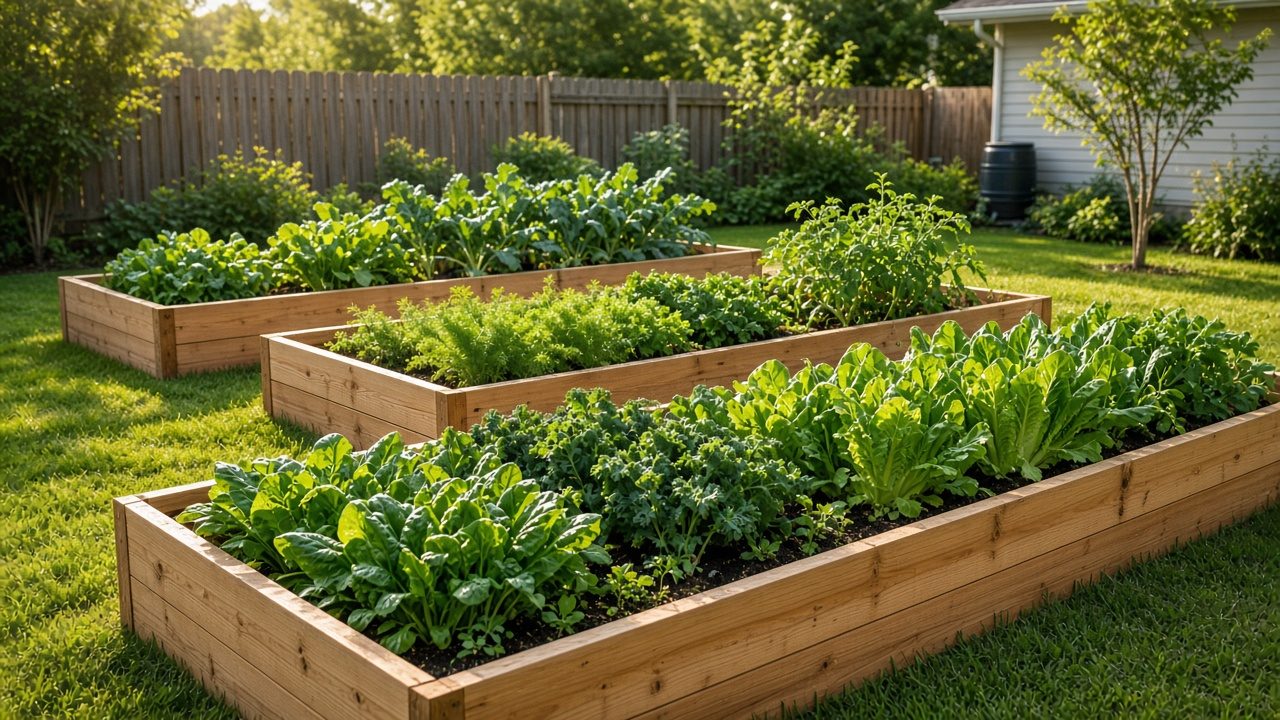
A structured layout system maps your season before buying lumber or seeds. Planning ahead prevents tall crops like trellised tomatoes from shading smaller greens, while ensuring accurate soil volume calculations and ample pathway clearance for wheelbarrows.
Overcrowding restricts airflow and invites fungal diseases. Thoughtful layout design optimizes sunlight exposure, simplifies drip irrigation installation, and creates comfortable pathways that make everyday maintenance effortless.
Planning Soil Depth and Bed Sizing
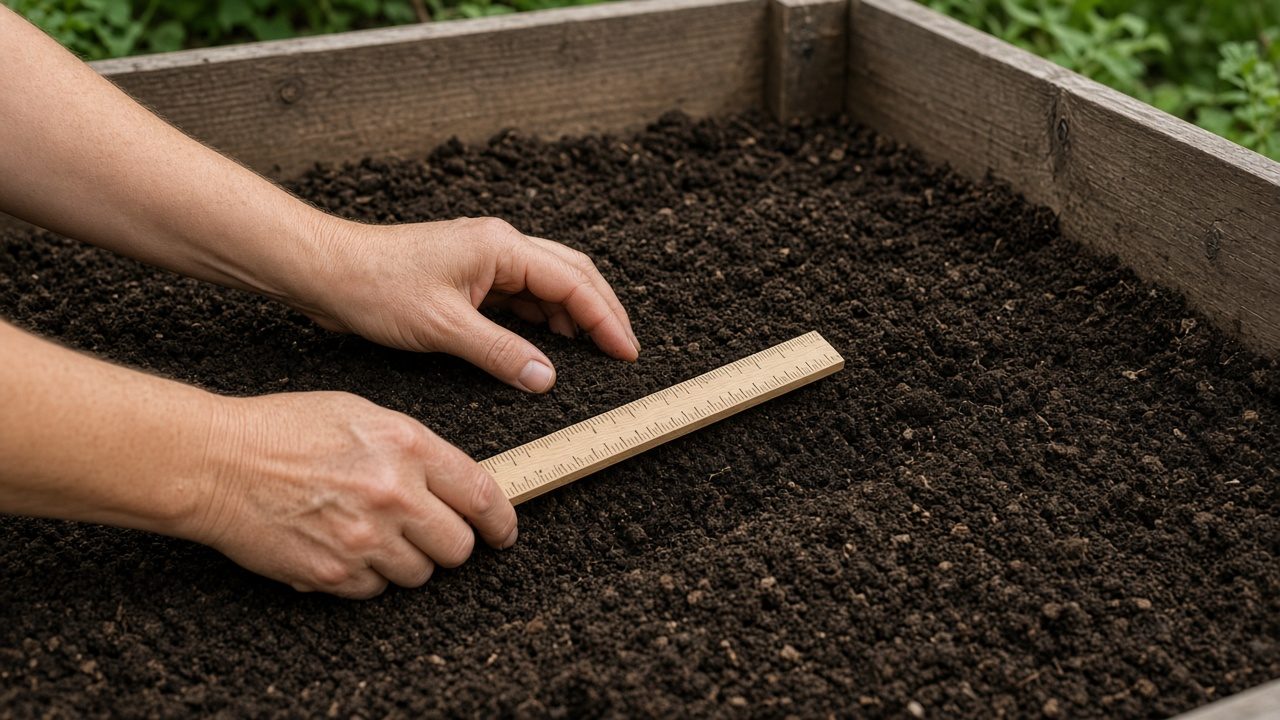
An intentional layout protects soil health year after year. Amending soil with compost enriches active root zones without wasting amendments on walking paths. Calculating volume beforehand prevents mid-project supply runs and controls startup costs.
An organized footprint establishes a repeatable seasonal cadence. Instead of guessing when to clear spring greens or sow autumn roots, clear planting records help beginners master one skill at a time while enjoying fresh produce all season.
Companion Planting Strategies for High-Yield Crops
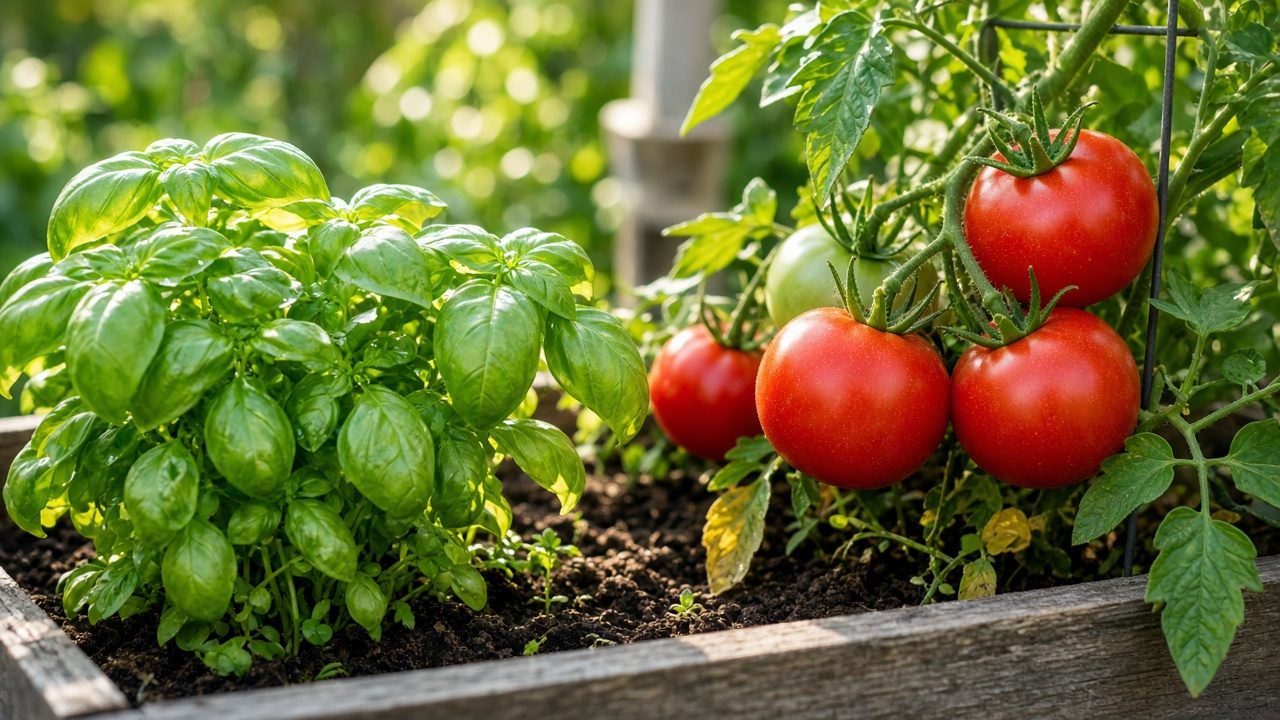
Planting compatible vegetable varieties side by side improves nutrient uptake, attracts pollinators, and discourages pests. Specific companion plants release aromatic oils that deter destructive insects and shield vulnerable neighbors.
Our comprehensive companion planting chart details the best and worst vegetable pairings for home gardens. Understanding natural plant partnerships allows you to grow sweeter tomatoes, crisper cucumbers, and bountiful greens with fewer synthetic inputs.
Tomato and Basil Partnerships
Aromatic basil masks tomato foliage from hornworms while drawing pollinating bees and beneficial predatory insects to your garden.
Cucumber and Dill Compatibility
Vining cucumbers thrive alongside flowering dill on trellises. Dill blossoms attract predatory wasps that control pest cucumber beetles naturally.
Root Vegetable and Allium Groupings
Carrots pair naturally with onions and chives. Pungent allium scents deter carrot rust flies and maggots throughout root development.
Proven Raised Bed Layout Ideas for Backyard Yields
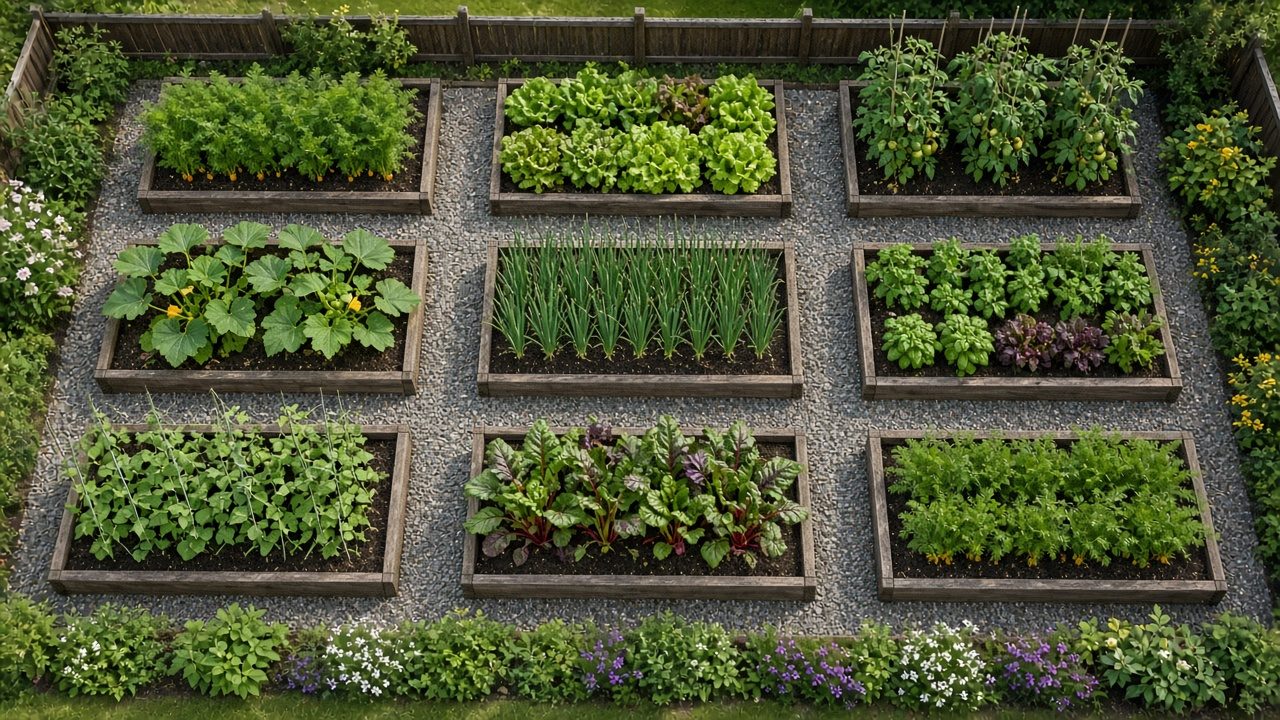
An effective layout balances accessibility, sun capture, and productive growing space. Aligning rectangular frames north-to-south maximizes daily sunlight exposure across all crops.
Explore our detailed guide on raised bed garden layout options for tested dimensions and pathway recommendations. Choosing proper bed widths ensures comfortable access from either side without stepping on soil.
Mulched pathways between boxes ensure wheelbarrows move freely during soil amending and harvesting. Adding vertical trellises doubles yield capacity while keeping climbing crops clean and disease-free.
Vegetable Garden Setup for Beginners Starting Out
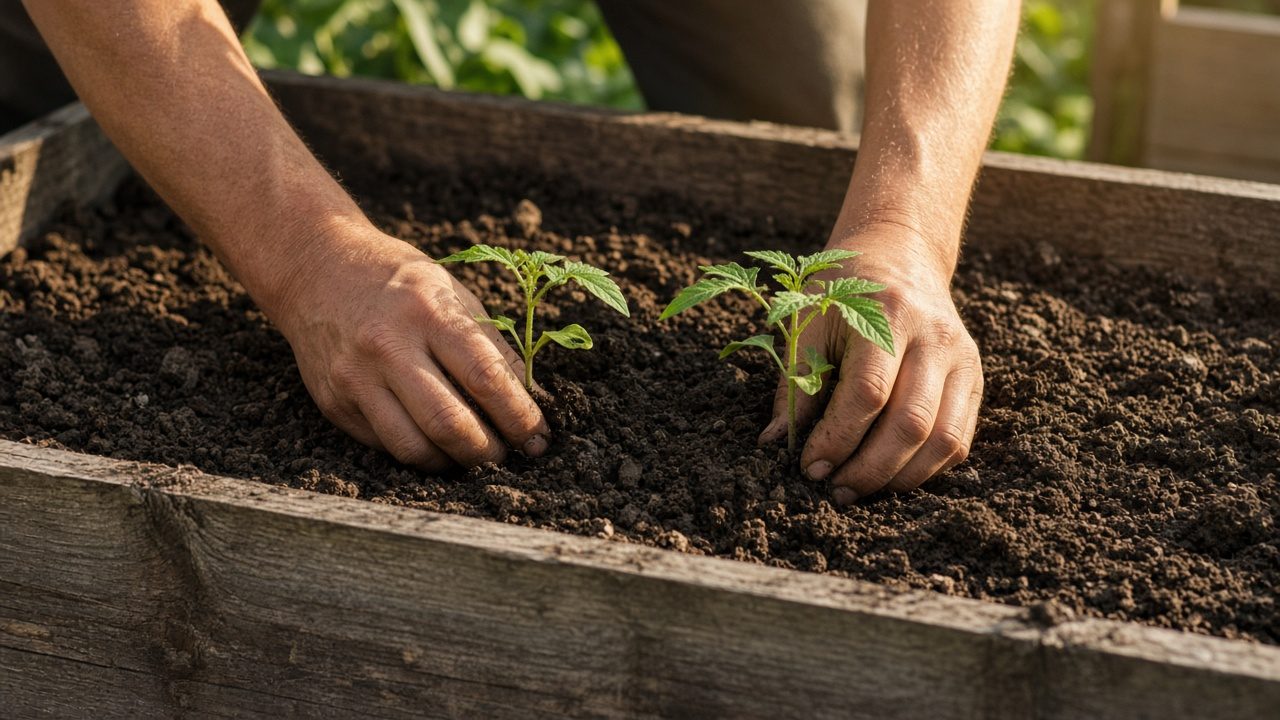
For beginners, starting with a manageable setup ensures lasting gardening success. A modest initial footprint lets you master watering routines and soil maintenance before expanding.
Our walkthrough on vegetable garden layout for beginners covers spacing guidelines, starter crops, and common beginner pitfalls, offering a reliable roadmap from spring planting through autumn harvests.
Starting with two compact boxes provides ample harvests while keeping weekly maintenance under two hours. Your garden footprint can easily expand with additional boxes as skills develop.
Frequently Asked Questions About Raised Bed Care
Here are answers to the most common questions new gardeners ask when setting up their first raised growing area.
What is the ideal soil depth for a raised garden bed?
Most annual vegetables thrive in ten to twelve inches of rich, friable soil, which allows roots to spread unimpeded.
How much space should you leave between garden boxes?
Leave at least thirty to thirty-six inches of clearance between boxes for comfortable walking and harvest cart access.
Which vegetable varieties are easiest for beginners to grow?
Bush green beans, crisp radishes, loose-leaf lettuces, and sweet bell peppers are exceptionally forgiving choices for first-time gardeners.
Do garden bed crops require daily watering during summer?
Because elevated soil warms quickly and drains freely, checking moisture levels daily during peak summer heat is recommended to prevent wilting.