Discovering how to start a vegetable garden in your home yard is one of the most rewarding steps toward self-reliance, healthier eating, and outdoor physical enjoyment. Cultivating your own organic vegetables allows you to harvest crisp produce at peak ripeness, free from synthetic pesticides, while establishing an attractive, productive green space right outside your kitchen door.
While the prospect of establishing a new garden can feel overwhelming to beginners, breaking the process into manageable, logical milestones ensures steady progress and early success. By focusing on proper site selection, durable raised box construction, fertile soil formulation, and beginner-friendly vegetable varieties, first-time gardeners can bypass common pitfalls and harvest fresh produce in their very first season.
Before breaking ground or purchasing lumber, consulting a digital raised bed planner guide helps you assess yard dimensions, determine bed orientation, and map out comfortable walking paths between growing boxes. Comprehensive research published by the Utah State University Extension raised bed gardening manual indicates that growing in elevated beds solves poor native soil problems, improves root drainage, and warms soil up to two weeks earlier in spring.
Pairing your site planning with our detailed DIY raised bed plans and reviewing our raised bed garden layout ensures your garden boxes are ergonomically designed and spaced for effortless weeding, planting, and seasonal harvesting throughout the growing year.
Selecting the Ideal Sunny Site in Your Backyard
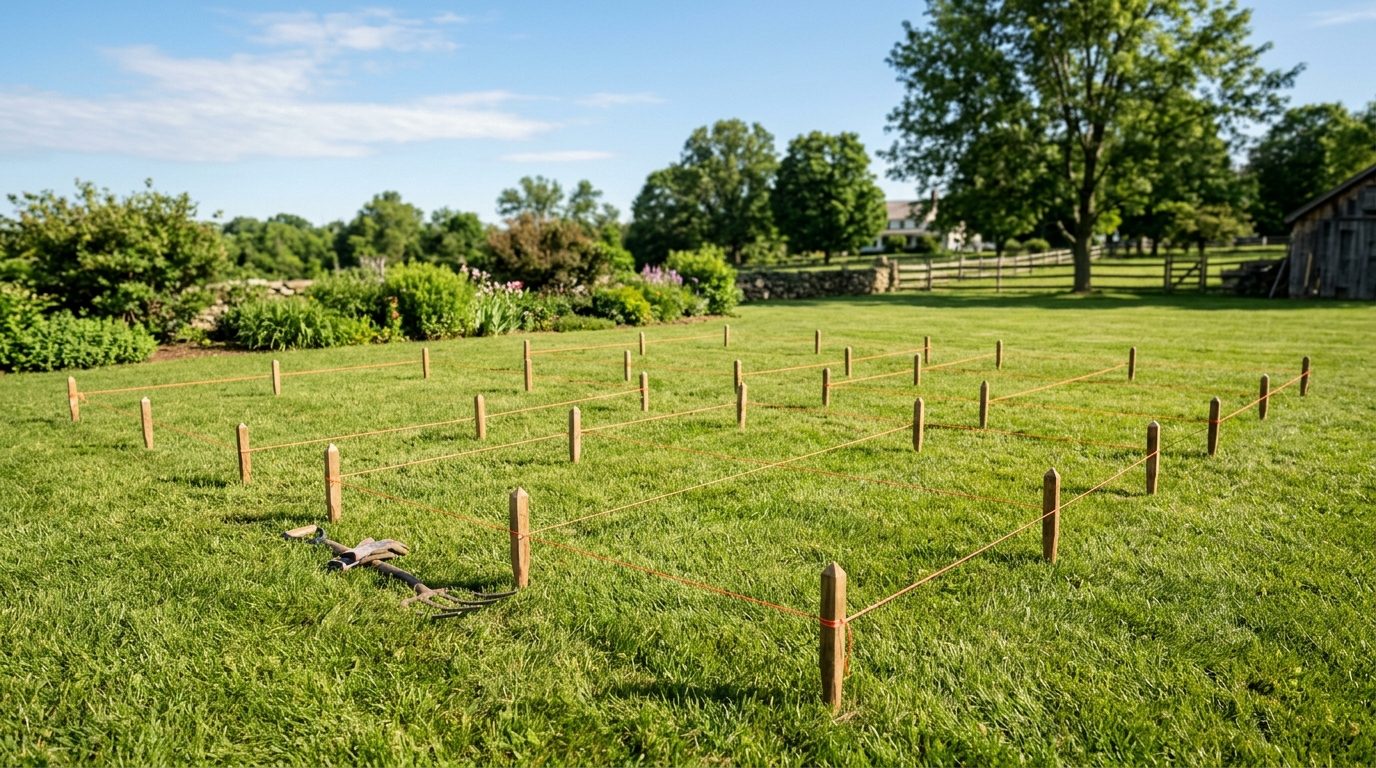
The location you select for your garden plots dictates the health and productivity of every plant you cultivate. Sunlight acts as the engine driving photosynthesis, flower formation, and fruit ripening. Most popular vegetable crops—including tomatoes, peppers, squashes, and cucumbers—demand a minimum of six to eight hours of direct, unfiltered solar exposure daily to achieve acceptable yields.
Spend several days observing sunlight patterns across your yard before finalizing garden boundaries. Note how nearby residential structures, tall privacy fences, and mature deciduous trees cast expanding shadows throughout the day. Locating beds far from tree drip lines also prevents invasive tree roots from infiltrating your fertile planter soil and stealing moisture.
Evaluating Daily Solar Exposure Across the Seasons
Keep in mind that sun angles change dramatically between early spring and midsummer. In March and April, the sun sits lower in the southern sky, casting longer shadows across northern lawns. By June, the midday sun reaches its highest zenith, delivering intense vertical light across the entire landscape.
Orient rectangular garden beds along a north-to-south axis whenever possible. North-south alignment ensures equal solar illumination along both east and west bed flanks as the sun traverses the sky, preventing taller trellised vegetables from shading lower-growing neighbor plants.
Ensuring Convenient Access to Water Sources
Water access is another fundamental consideration often overlooked by novice gardeners. During the peak heat of July and August, a thriving vegetable plot requires regular, thorough watering to sustain rapid vegetative growth and fruit expansion. Locating garden beds within easy reach of a freeze-proof hose spigot eliminates the daily fatigue of hauling heavy buckets across expansive lawns.
Ensure the surrounding area offers flat, well-draining terrain free of standing pooling water during heavy rainstorms. Avoid locating beds in low-lying frost pockets where cold air settles in spring and autumn.
Choosing Framing Materials and Sizing Your Planters
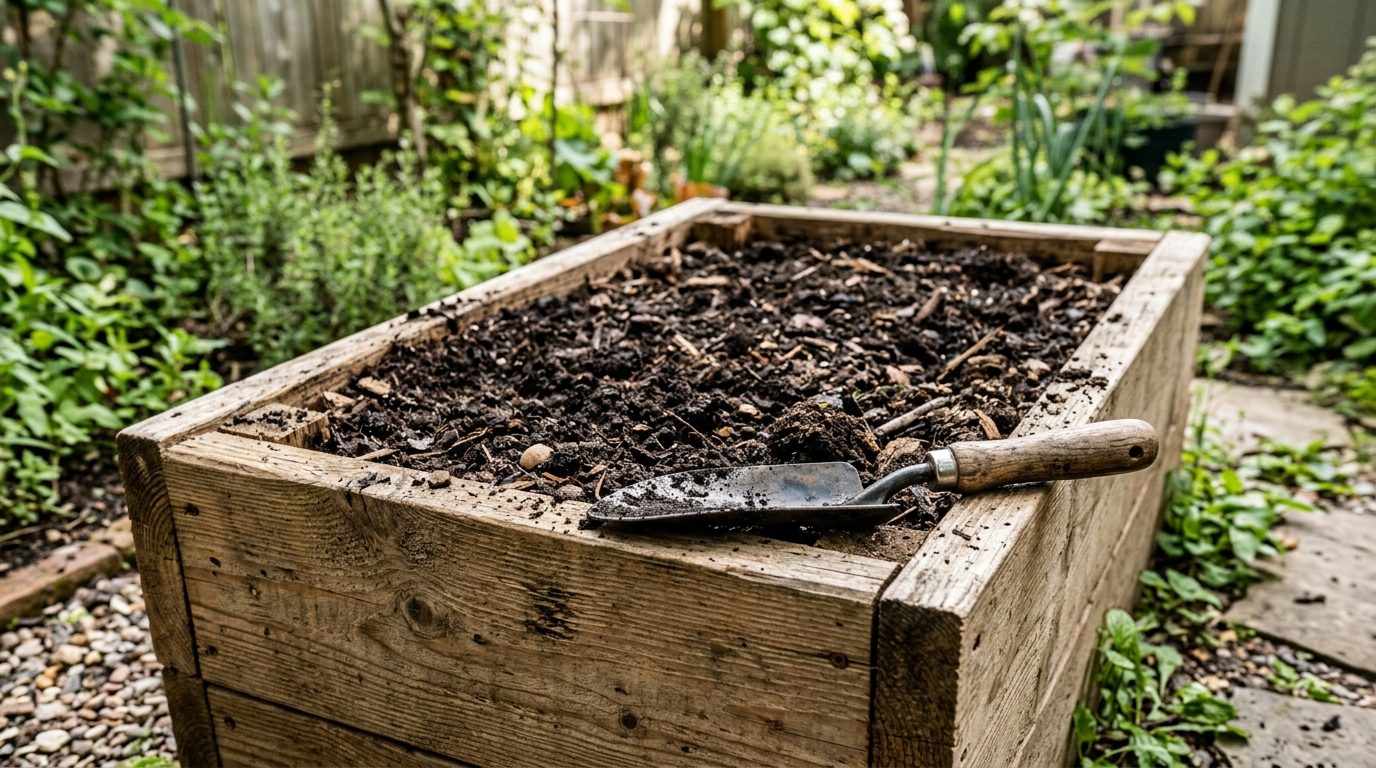
Constructing elevated wooden planters provides distinct horticultural advantages over traditional in-ground rows. Raised boxes contain loose, fertile soil mixes that never suffer from foot traffic compaction. This loose structure promotes rapid, unobstructed root penetration and superior gas exchange throughout the root zone.
When selecting framing materials, prioritize durability, safety, and rot resistance. Avoid salvaged railroad ties or vintage utility poles treated with toxic coal-tar creosote, which can leach carcinogenic polycyclic aromatic hydrocarbons directly into your vegetable growing media.
Durable Cedar, Redwood, and Untreated Lumber Options
Naturally rot-resistant softwoods such as Western red cedar, incense cedar, and redwood represent the premier timber choices for backyard raised planters. These wood species contain natural antimicrobial tannins that resist decay and insect infestation for ten to fifteen years without chemical preservatives. While cedar carries a higher upfront material cost, its longevity delivers outstanding long-term value.
Budget-conscious gardeners can utilize standard two-inch-thick untreated construction Douglas fir or pine planks, which typically last four to seven seasons in contact with moist soil. Modern ACQ or MCA pressure-treated dimensional lumber is also rated non-toxic for residential food production by agricultural extension services.
Optimal Widths and Depths for Ergonomic Gardening
Planter bed dimensions should always respect human ergonomics. Limit bed widths to three or four feet, which allows gardeners to reach into the center from either side without kneeling on or stepping onto the soil surface. Stepping on planter soil compresses microscopic pore spaces, suffocating beneficial microbes and restricting feeder root expansion.
A bed depth of ten to twelve inches provides ample vertical space for the majority of vegetable root systems, including leafy greens, brassicas, and bush legumes. Deep-rooted crops like large slicing tomatoes, winter squashes, and parsnips benefit from beds built sixteen to twenty-four inches deep.
Blending Nutrient-Dense Soil for Vigorous Root Growth
The single most important investment in your vegetable plot is the soil mixture filling your boxes. Heavy native garden soil containing dense clay or excessive sand should not be dumped into raised frames. Native topsoil compacts rapidly within confined box borders, developing hard crusts that impede drainage and hinder root respiration.
Guidelines provided by the University of Maryland Extension soil blends for garden beds recommend filling elevated frames with a custom soilless blend formulated specifically for intensive container cultivation. A superior growing medium remains loose, fluffy, and nutrient-dense across multiple seasons.
Mixing Organic Compost, Peat Moss, and Coarse Perlite
A classic, proven soil recipe consists of one-third mature organic compost, one-third coarse horticultural vermiculite or perlite, and one-third sphagnum peat moss or coconut coir. Compost supplies a diverse spectrum of organic plant nutrients and beneficial soil biology, while peat moss retains vital moisture and perlite ensures permanent structural aeration.
Incorporate diverse compost sources when formulating your blend, combining decomposed leaf mold, composted cow manure, and mushroom compost. This biological diversity provides balanced macro- and micronutrients to support steady, robust plant development without heavy synthetic inputs.
Testing and Balancing Soil pH for Backyard Vegetables
Most common garden vegetables flourish within a slightly acidic to neutral soil pH range of 6.0 to 6.8. Within this target bracket, essential nutrients such as nitrogen, phosphorus, and potassium remain bioavailable in soil solution. Performing an inexpensive home soil test kit confirms your blend’s pH and nutrient levels before spring planting begins.
If soil testing indicates excessively acidic conditions below 5.8, incorporate agricultural dolomitic limestone to raise the pH gently. For alkaline soils above 7.2, add natural elemental sulfur or acidic peat moss to buffer the soil back into the optimal vegetative range.
Selecting High-Yielding Starter Crops for First-Year Plots
For your first gardening season, focus on reliable, fast-rewarding vegetable varieties that demonstrate strong disease resistance and high productivity. Sowing complex, finicky heirloom crops often leads to unnecessary disappointment for first-time growers. Build confidence and practical horticultural skills with forgiving varieties that reward basic daily care with bountiful kitchen harvests.
Leafy greens like looseleaf lettuce, Swiss chard, and spinach germinate swiftly and deliver continuous harvests using cut-and-come-again harvesting techniques. Compact bush snap beans produce heavy flushes of crisp pods in under fifty days without demanding vertical trellises. Radishes mature in three to four weeks, while cherry tomato varieties like Sun Gold or Sweet Million yield hundreds of sweet, bite-sized fruits all summer long.
Installing Simple Irrigation and Weed Suppression Layers
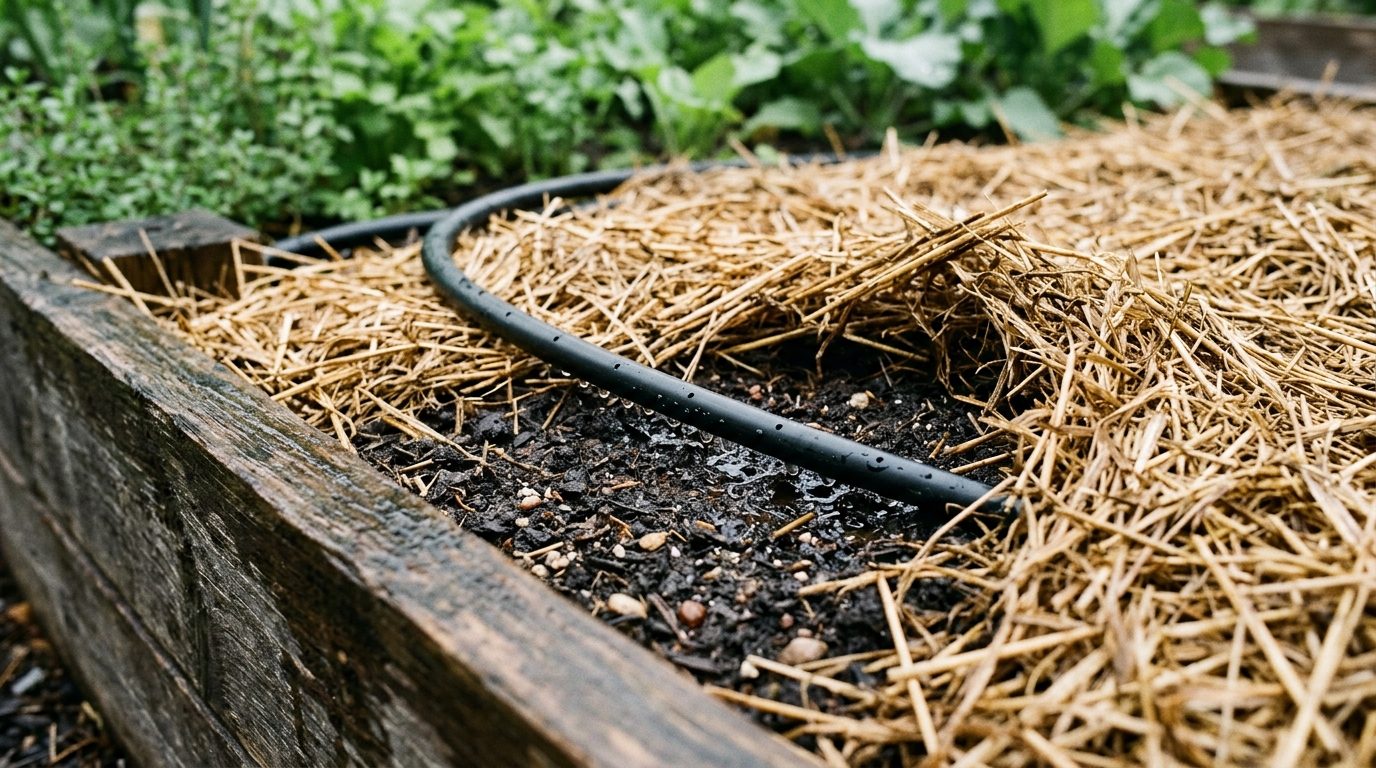
Consistent, deep hydration is vital for vigorous vegetable development, especially during intense midsummer dry spells. Overhead hand-watering with garden spray nozzles frequently wetted plant foliage, encouraging fungal leaf blights while losing substantial moisture to surface evaporation. Installing a low-pressure drip irrigation hose or porous soaker hose system delivers water directly to root zones at soil level.
Line pathways between your garden boxes with heavy landscape fabric topped with clean cedar wood chips, crushed gravel, or shredded bark mulch. This suppresses competitive weeds, eliminates muddy walkways during wet spring rains, and creates clean, accessible routes for wheelbarrows and harvesting baskets. Applying a three-inch layer of clean straw or shredded leaves across bed surfaces locks in soil moisture and moderates summer root temperatures.
Frequently Asked Questions
How many hours of direct sunlight does a backyard plot require?
Most edible fruiting vegetables, such as tomatoes, sweet peppers, cucumbers, and squashes, require six to eight hours of direct, unfiltered sunlight each day for optimal blossom formation and fruit development. Cool-season leafy greens like spinach, kale, and lettuce can tolerate partial shade, producing tender foliage with four to six hours of daily sun.
What are the ideal dimensions for a beginner planter box?
A width of three to four feet is ideal because it allows gardeners to reach into the center of the bed from either side without stepping on the soil surface. A length of six to eight feet fits comfortably in most suburban backyards, and a depth of ten to twelve inches provides ample root room for almost all common garden vegetables.
What soil formula creates the best growing environment in beds?
The premier blend consists of one-third rich organic compost, one-third moisture-retentive sphagnum peat moss or coco coir, and one-third coarse horticultural perlite or vermiculite. This soilless formula provides outstanding porosity, superior water retention, and steady nutrient availability without compacting like native garden soil.
Which vegetables offer the highest success rate for first-time growers?
Radishes, looseleaf lettuce, bush green beans, and cherry tomatoes provide the highest success rate and fastest harvests for beginners. Radishes reach harvest size in under a month, leaf lettuce provides multiple harvests over weeks, bush beans produce heavily without trellises, and cherry tomatoes yield hundreds of delicious fruits per plant all summer.