Planning a thriving vegetable plot begins with understanding how neighboring crops interact below and above the soil line. A well-designed companion planting chart serves as a reliable roadmap for pairing vegetables, culinary herbs, and flowering annuals that naturally support one another. By matching compatible plants in your garden beds, you can maximize limited growing space, enhance moisture retention, naturally suppress weeds, and deter troublesome insect pests without reaching for synthetic chemical sprays.
Companion planting is a time-tested horticultural practice grounded in plant biology and insect behavior. Certain vegetables produce chemical root secretions that suppress soil-borne fungal pathogens, while aromatic companion herbs like sweet basil or dill mask the scent of tender host crops from hungry pests. Additionally, flowering plants attract vital predatory insects, such as ladybugs, lacewings, and parasitic wasps, which feed on destructive aphids and caterpillars.
When starting your garden journey, consulting a trusted raised bed planner ensures you leave adequate walking room, choose appropriate bed dimensions, and align taller crops to avoid shading sun-loving vegetables. Scientific studies summarized by the Utah State University Extension highlight that polyculture plantings—where multiple plant families share the same root zone—demonstrate increased ecological resilience compared to single-crop monocultures. Integrating these natural biological partnerships turns an ordinary garden box into an abundant organic oasis.
Beyond pest deterrence, companion planting partnerships optimize soil nutrition across every bed. Legumes like snap peas and bush beans host nitrogen-fixing rhizobia bacteria that convert atmospheric nitrogen into bioavailable soil nutrients. When planting adjacent to nutrient-hungry companions, these natural fertilizers sustain steady vegetative growth without chemical inputs.
Why Backyard Gardeners Rely on Companion Guides
Beginning gardeners frequently encounter difficulties with nutrient competition, invasive weeds, and sudden pest infestations. Keeping a practical plant pairing reference on hand while sowing seeds or transplanting delicate seedlings prevents the common mistake of placing antagonistic crops in the same soil pocket. For instance, plants belonging to the heavy-feeding brassica family (such as broccoli, kale, and cabbage) demand generous nitrogen supplies, making them poor immediate neighbors for light-feeding root crops if soil fertility is unmanaged.
Furthermore, companion systems optimize vertical growing architecture. In a compact four-by-eight-foot garden bed, deep-rooted taproots like carrots can thrive directly beneath shallow-rooted leafy greens such as butterhead lettuce or spinach. The broad leaves of lettuce act as a living mulch, shading delicate root systems and reducing soil moisture evaporation during early summer heatwaves.
Many home growers choose to download a portable vegetable planting guide to keep in their garden shed or clipboard during planting season. Having an immediate visual reference ensures that every seedling finds its optimal companion, reducing transplant shock and promoting vigorous seedling establishment throughout the spring.
Physical plant pairing also assists in managing wind exposure and microclimates. Sturdy stalk crops like field corn or trellised beans provide windbreaks for fragile young seedlings. In high-wind regions, placing delicate leafy greens in the lee of resilient companion barriers prevents stem breakage and minimizes desiccation during hot dry afternoons.
Beneficial Planting Partners for Backyard Tomatoes
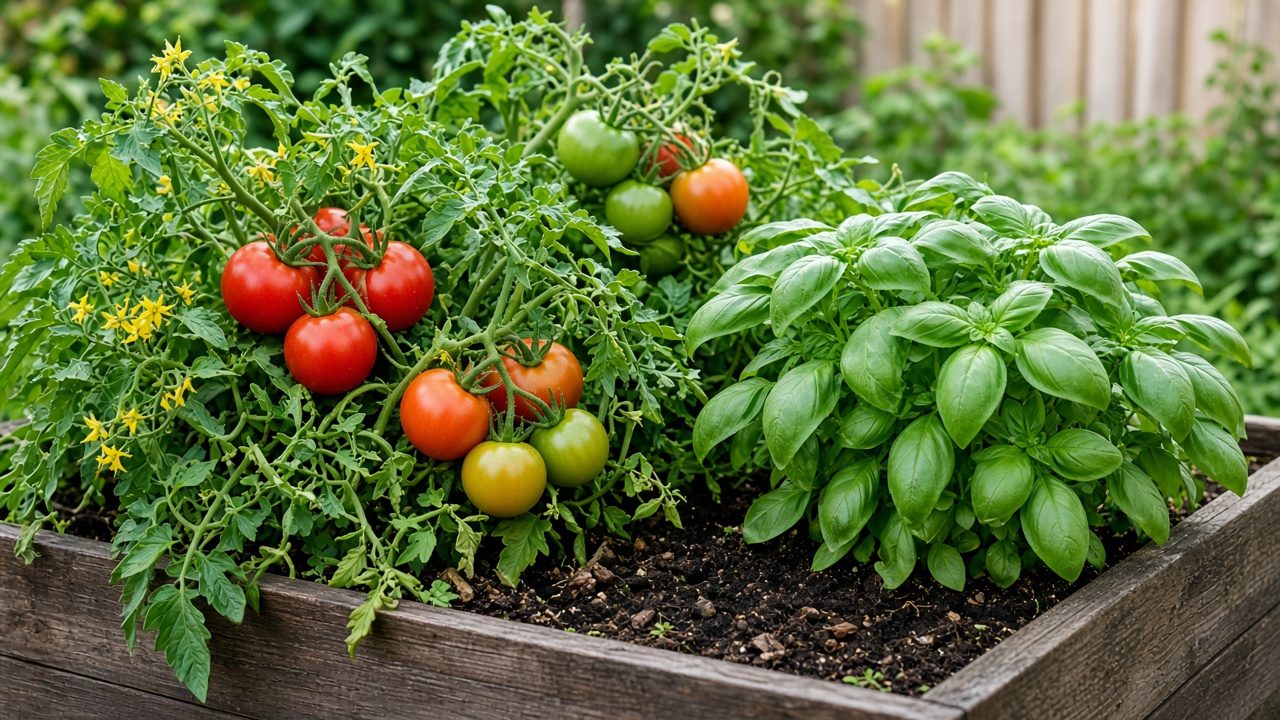
Tomatoes are undeniably the crown jewel of the home vegetable garden, yet they are vulnerable to hornworms, early blight, and nutrient imbalances. Consulting a specialized tomato planting reference reveals that aromatic herbs like sweet basil and culinary oregano are exceptional neighbors. Basil emits volatile aromatic compounds that confuse common tomato pests, and many gardeners observe that growing basil closely beside tomato vines enhances the final flavor of ripening fruit.
Beneficial Herbs and Flowers for Tomatoes
If you are wondering what to plant with tomatoes in raised beds, consider interplanting marigolds, garlic, and bush beans. French marigolds produce root compounds that discourage damaging root-knot nematodes in the soil, while their vibrant flowers attract bumblebees and hoverflies. Bush beans fix atmospheric nitrogen in root nodules, gently enriching the surrounding soil to nourish demanding tomato vines.
Antagonistic Plants to Avoid Near Tomatoes
Conversely, keep fennel, potatoes, and brassicas far away from your tomato plants. Fennel secretes growth-inhibiting substances that stunt nearly all neighboring garden vegetables, while potatoes share common fungal blights with tomatoes and should never occupy adjoining beds. Aligning your bed layouts with a regional planting schedule from the University of Maryland Extension ensures your tomato transplants go into the ground when soil temperatures consistently reach optimal levels.
Another strategic tomato companion is the humble borage plant. Borage produces bright star-shaped blue blossoms that are irresistible to native bees and pollinating insects. More importantly, borage foliage repels the dreaded tomato hornworm while accumulating trace minerals from subsoil layers and depositing them into the topsoil as older leaves naturally senesce and decompose.
Crops to Pair with Cucumbers and Vining Vegetables

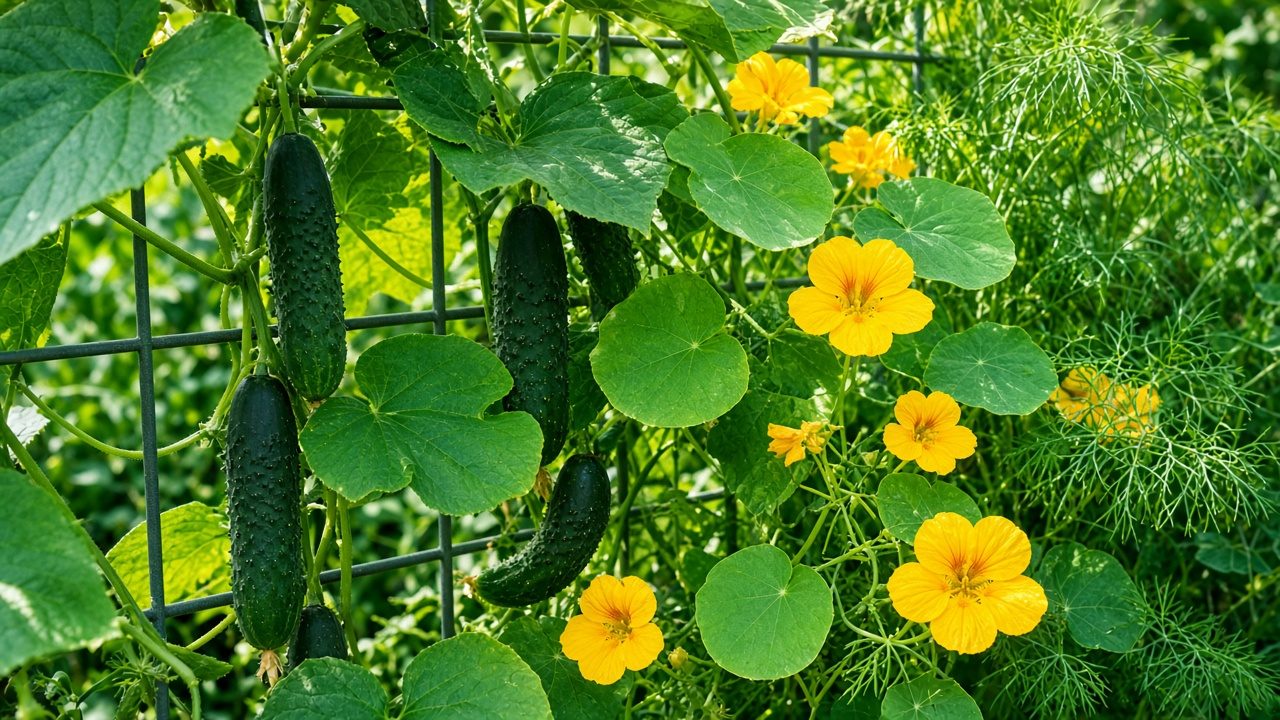
Cucumbers are fast-growing vining crops that require consistent soil moisture, ample sunshine, and active pollinator visitation to develop crisp, well-formed fruit. Knowing what vegetables to pair with cucumbers can dramatically reduce the likelihood of cucumber beetle infestations and bacterial wilt transmission. Planting dill, catnip, or flowering nasturtiums around cucumber hills helps repel destructive beetles while inviting predatory ground insects into the garden bed.
Defensive Trap Crops and Living Trellises
Radishes make another outstanding companion for cucumber vines. Sowing a perimeter of quick-maturing radishes around your cucumber seedlings lures flea beetles away from tender cucumber leaves. Because radishes reach maturity in just three to four weeks, they can be harvested and enjoyed before cucumber vines spread outward to claim the bed surface.
Sunflower stalks and sturdy field corn also pair wonderfully with vining cucumber varieties. The tall, rigid stems serve as living vertical trellises, elevating the cucumber vines above damp soil and improving overall airflow. This vertical planting strategy keeps developing cucumbers clean, straight, and less vulnerable to ground rot, all while conserving valuable square footage in your raised bed layout.
Avoid planting cucumbers near aromatic sage, mint, or mature potato hills. Highly pungent herbs like sage can alter cucumber growth habits, while spreading mint rapidly invades the delicate surface root zone of cucumber plants. Keeping aggressive herbs confined to separate containers ensures your vining crops enjoy unimpeded root expansion.
Companion Pairings for Root Crops and Leafy Greens
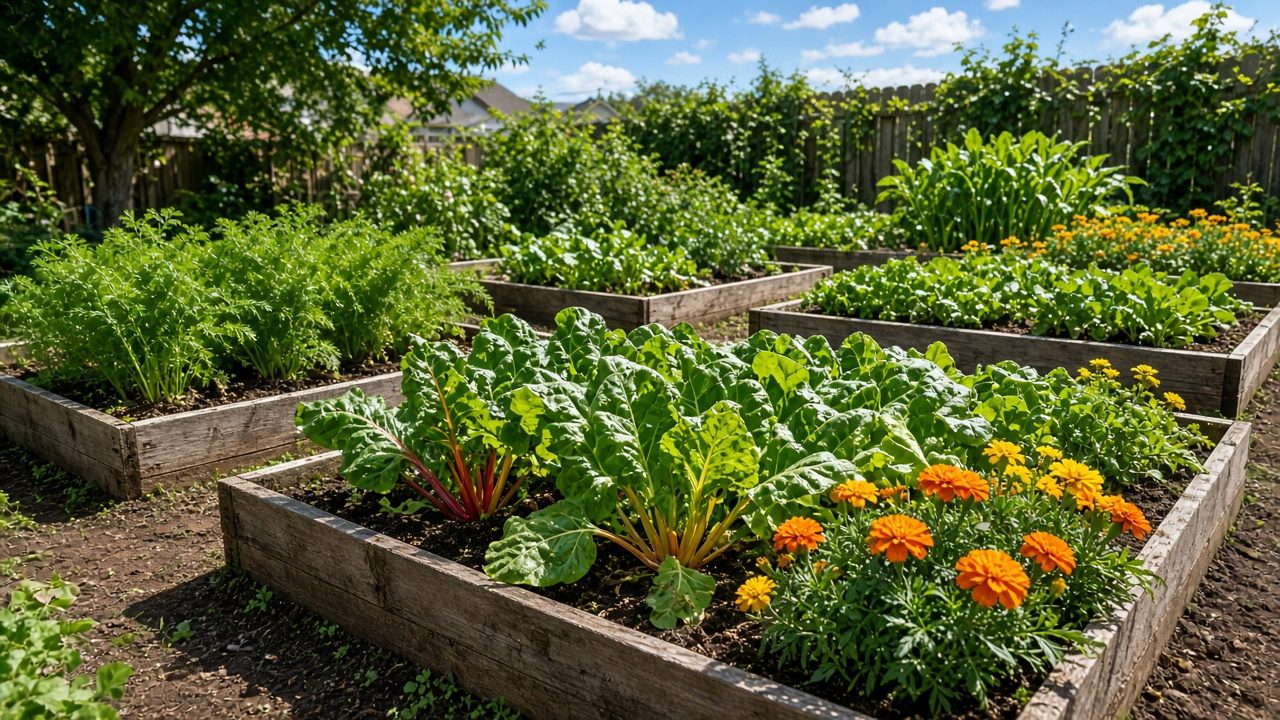
Leafy greens and underground root crops form the cornerstone of steady kitchen harvests throughout spring, summer, and autumn. A detailed companion vegetable guide reveals that root crops like carrots, beets, and radishes pair exceptionally well with alliums like onions, leeks, and chives. The pungent sulfur aroma emitted by alliums masks the scent of growing carrots, effectively repelling the destructive carrot rust fly.
Similarly, pairing Swiss chard or spinach with alliums and bushy herbs creates a mutualistic micro-ecosystem. The tender leaves of greens stay protected from crawling insect pests, while the root systems of alliums penetrate compact soil layers, improving aeration and drainage for nearby feeder roots. Adding low-growing clover or sweet alyssum along the bed borders acts as a living carpet that suppresses weeds and carpets the soil in delicate blossom.
Understanding these pairings allows you to rotate planting chart arrangements smoothly from cool-season greens to warm-season companion staples. As early spring radishes and spinach are harvested, warm-season companions such as bush peppers or bush beans can be slotted directly into the vacant spaces without disrupting the biological structure of your garden soil.
Beets also thrive when planted alongside dwarf bush beans, kohlrabi, and brassicas. Unlike mature pole beans which cast excessive shade, compact bush varieties fix nitrogen without overtaking beet foliage. The shallow root systems of beets appreciate the loose, crumbly soil maintained by frequent surface hoeing around legume beds.
Organizing Your Planting Layout in Raised Beds
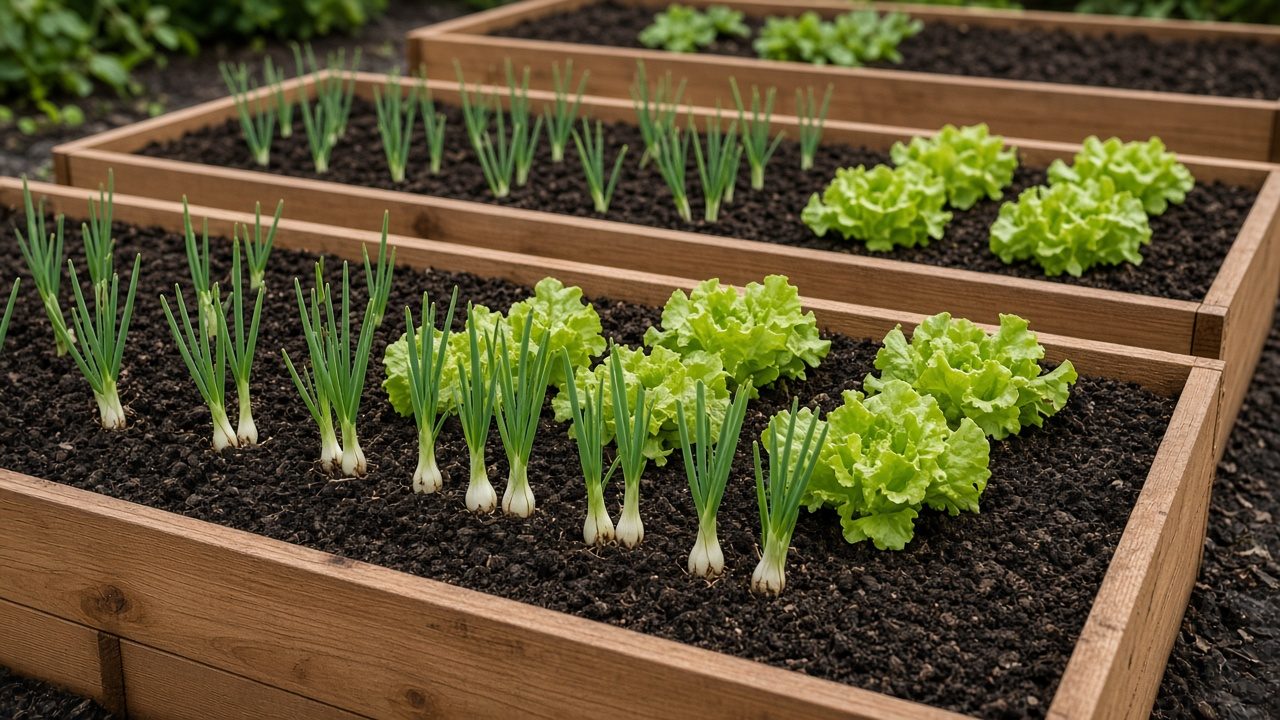
Implementing an organized companion planting guide in your home garden does not require complex software or endless trial and error. Begin by dividing your raised beds into distinct zones based on sunlight exposure, moisture requirements, and plant families. Heavy feeders, such as nightshades and squashes, should be grouped with nitrogen-fixing legumes and insect-repelling herbs rather than clustered alongside competing heavy feeders.
Document your bed arrangements in a garden journal each season so you can practice effective three-to-four-year crop rotation. Moving plant families to different beds each year breaks disease cycles, interrupts soil-dwelling pest life stages, and prevents localized nutrient depletion. When paired with compost-enriched soil and regular mulching, companion planting delivers higher yields from smaller areas.
By relying on a proven companion planting chart, you establish a balanced, biodiverse ecosystem where plants work together naturally. Whether you grow in a single compact wooden box or maintain an extensive backyard layout, smart companion groupings will reward you with vibrant foliage, fewer pests, and bountiful harvests all season long.
Take the time each week to observe how companion pairings interact throughout the growing cycle. Note which herb varieties attract the highest pollinator traffic and how interplanted ground covers manage summer moisture. These personal observations, combined with established horticultural charts, will refine your gardening instincts and make every subsequent growing season more productive and enjoyable.
Frequently Asked Questions
What vegetables should you never include in a tomato companion planting layout?
Fennel should never be included in companion planting near tomatoes because it secretes growth-inhibiting compounds that stunt neighboring crops. Potatoes and brassicas should also be separated on your planting chart to prevent the spread of shared fungal blights and nutrient competition.
How do companion planting pairings protect cucumber vines?
Companion planting dill, catnip, or flowering nasturtiums around cucumber hills deters destructive cucumber beetles and invites beneficial predatory insects. In addition, planting a perimeter of quick-maturing radishes lures flea beetles away from tender cucumber foliage on your garden chart.
Why do garden planting guides recommend alliums for root crops?
Every companion planting reference pairs alliums like onions, leeks, and chives with carrots because pungent sulfur aromas mask root scent, repelling the carrot rust fly. This companion planting strategy also improves aeration and drainage for nearby developing root vegetables.
How does a companion planting guide maximize raised bed space?
Organizing your companion planting layout allows deep-rooted taproots like carrots to thrive directly beneath shallow-rooted leafy greens. Consulting a companion chart ensures that tall trellised companion planting selections do not shade sun-loving crops in your raised beds.