Embarking on your first growing season is an exhilarating milestone, but designing a practical vegetable garden layout for beginners is crucial to avoiding early burnout. Many enthusiastic first-time gardeners make the mistake of digging up massive plots or purchasing dozens of seed packets without a coherent organizational system. Starting with an intentional, modest design allows you to master foundational gardening skills like soil maintenance, watering cadence, and pest observation without feeling overwhelmed.
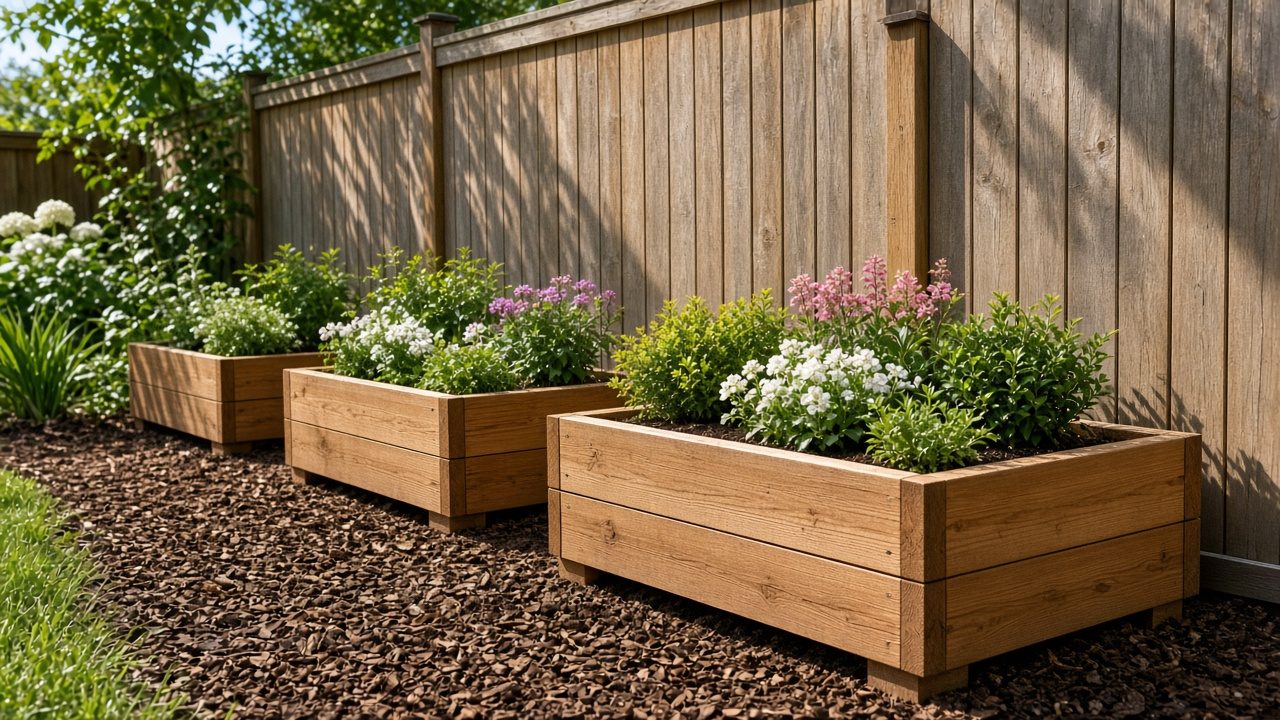
A well-planned starter garden focuses on growing crops that your household genuinely enjoys eating while emphasizing varieties known for high reliability and disease resistance. By utilizing raised garden boxes rather than tilling direct native earth, you avoid heavy weeding burdens and gain complete control over your initial soil quality. This creates an immediate environment where seeds germinate readily and young transplants establish strong root networks.
To help you organize your planting beds, our interactive raised bed planner provides step-by-step sizing templates, plant spacing guides, and seasonal crop rotation advice. Planning recommendations from Clemson University Cooperative Extension highlight that a small, impeccably maintained garden plot consistently outproduces a large, neglected garden plot every single time. Establishing good design habits right from the start lays the foundation for decades of joyful gardening.
Gardening on a modest scale also allows you to focus on developing soil intuition. You quickly learn to assess moisture by touching the top inch of soil, recognize signs of nitrogen deficiency before plants yellow completely, and celebrate small daily victories like the first blossom or emerging carrot shoulder.
Why a Simple Garden Layout Guarantees Success
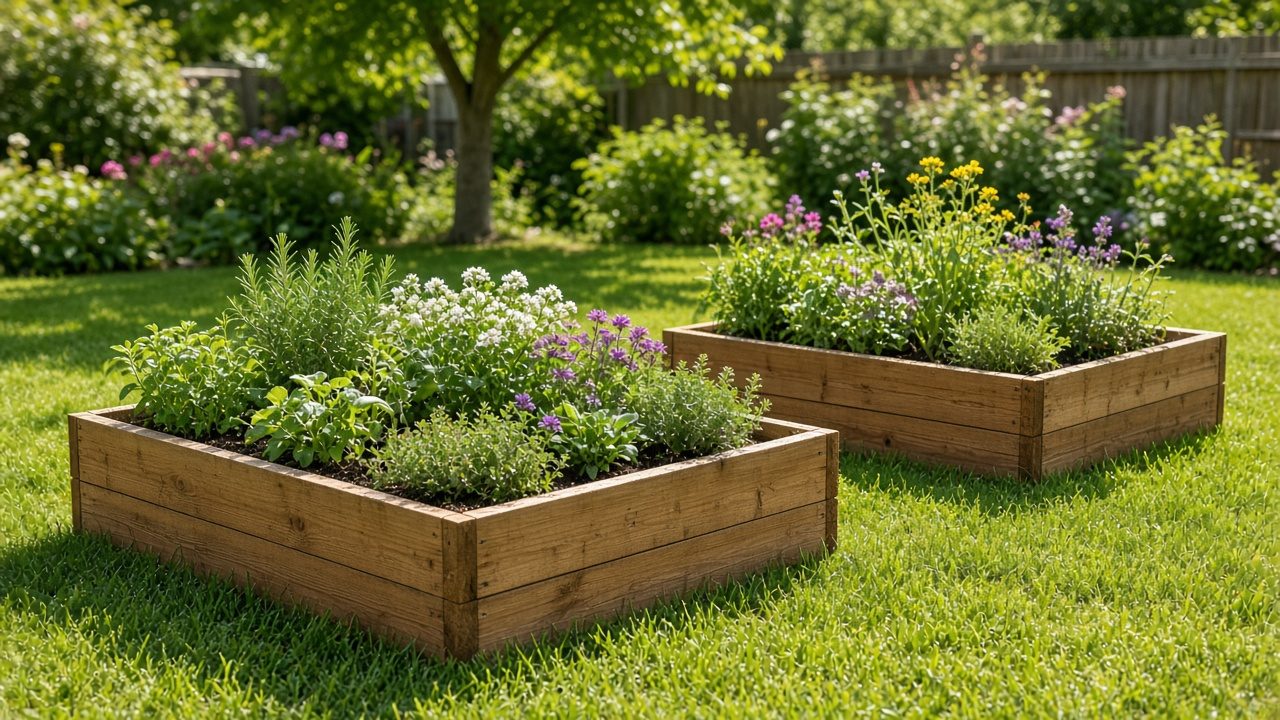
The primary reason new gardeners abandon their plots mid-season is that their garden quickly demands more time than their daily schedule allows. Designing an accessible starter garden layout ensures that essential daily tasks—like checking soil moisture, pulling a stray weed, or tying up a tomato stem—take only five to ten minutes each day. Keeping the initial footprint compact keeps gardening relaxing and therapeutic rather than exhausting.
A simple layout also reduces initial startup costs significantly. Building two or three manageable raised beds requires modest investment in cedar lumber, organic soil, and irrigation components. As your confidence and harvesting skills expand over subsequent seasons, you can effortlessly add additional matching beds to your existing backyard layout.
Additionally, small layouts make troubleshooting much easier. When insect pests like hornworms or cucumber beetles appear, spotting them early on a dozen plants takes minutes. Managing pest pressures on a compact footprint prevents widespread crop loss and teaches you how to implement organic controls effectively before managing larger growing zones.
Water conservation is another notable advantage of a compact layout. Targeted drip lines or soaker hoses nestled beneath organic straw mulch direct every drop of moisture directly to plant roots. You waste zero water irrigating unwanted weeds or wide paths, keeping municipal water bills low while nurturing lush, vigorous foliage.
Vegetable Bed Sizing and Spacing for Higher Yields
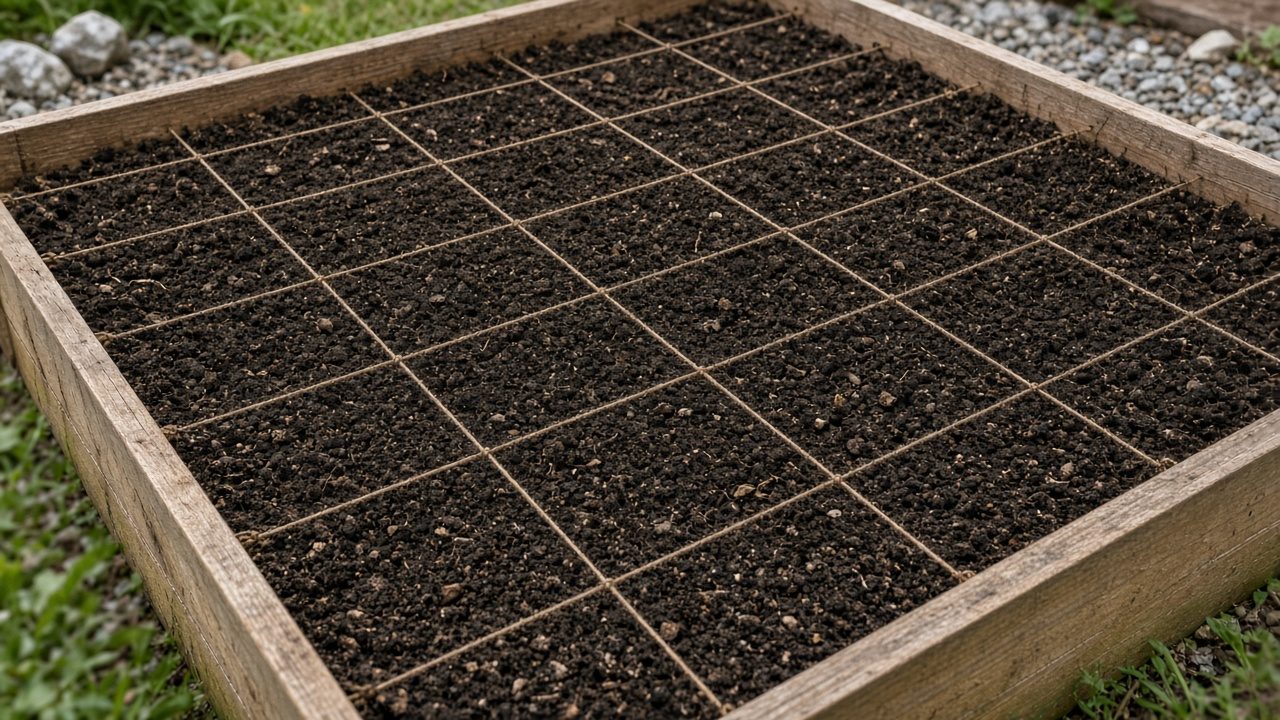
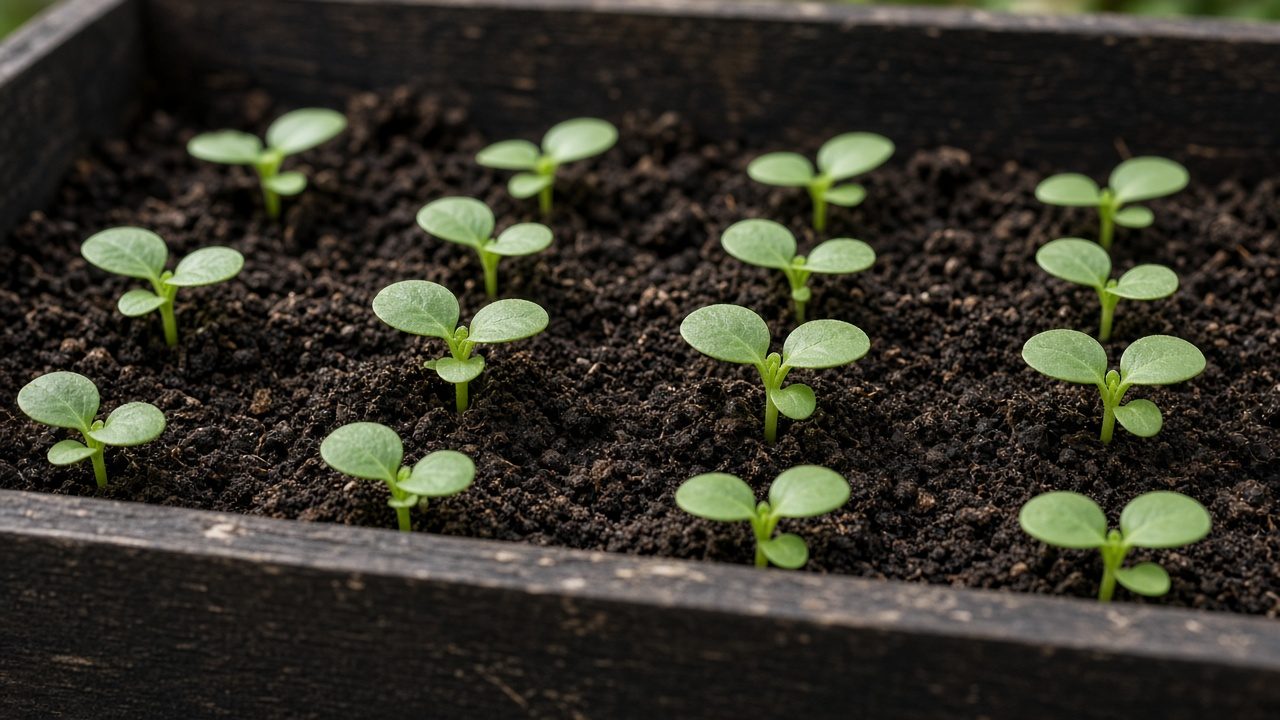
Understanding proper vegetable garden spacing guidelines prevents the widespread mistake of planting seedlings too closely together. When seedlings are tiny, leaving twelve to eighteen inches of bare soil between them can feel counterintuitive. However, crowded vegetables compete fiercely for available soil nutrients, root space, and sunlight, leading to stunted plants and disappointing harvest sizes.
Preventing Foliage Disease Through Airflow
Proper spacing also fosters vital air circulation between mature plant leaves. Dense foliage that remains wet from morning dew or overhead watering creates the perfect breeding ground for fungal diseases like powdery mildew, septoria leaf spot, and bacterial blights. Following university-tested spacing guidelines ensures that air currents circulate freely through plant canopies, allowing foliage to dry rapidly after morning watering.
Square Foot Gardening Spacing Methods
Consider adopting square foot gardening principles within your beds to simplify spacing calculations. Dividing your raised bed into a visual grid of twelve-by-twelve-inch squares makes layout planning intuitive: you can plant sixteen carrots, four leaf lettuces, one bell pepper, or one staked tomato per square foot. This grid system eliminates tedious measuring tapes and ensures maximum productivity from every square inch of garden soil.
Proper spacing guidelines also simplify succession planting schedules. When an early-season crop like radishes or green onions is finished, a vacant grid square is immediately ready for mid-summer bush beans or fall spinach. Maintaining orderly spacing makes continuous replanting smooth, efficient, and highly productive.
The Ideal Raised Bed Configuration for Beginners
If you are wondering what the best starter footprint looks like, consider a basic two-bed garden setup composed of two four-by-eight-foot raised beds separated by a central three-foot pathway. This configuration provides sixty-four square feet of intensive growing space, which is ample room to grow fresh salads, juicy slicing tomatoes, crisp cucumbers, and fragrant culinary herbs for a family of four throughout the summer.
Allocating Crops Between Dual Beds
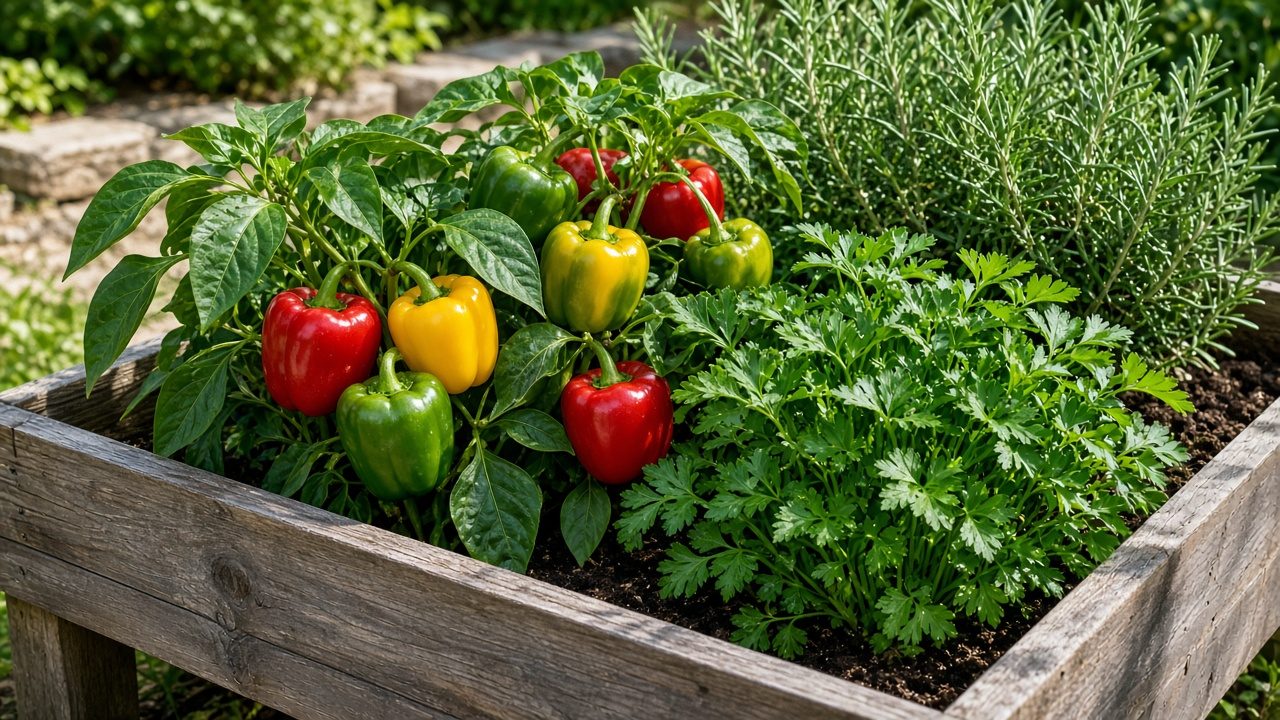
Assign one bed to warm-season fruiting vegetables, such as two indeterminate tomato vines on trellises, three sweet bell pepper plants, and a compact bush zucchini. Assign the second bed to cool-season greens, root crops, and vining companions, including loose-leaf lettuces, rainbow chard, radishes, and pole beans climbing a vertical cattle panel trellis along the back.
This dual-bed system also introduces you to the vital discipline of annual crop rotation. In your second year, simply swap the crop families between the two beds. Moving heavy-feeding nightshades to the bed previously occupied by nitrogen-fixing legumes refreshes soil biology and suppresses species-specific soil pathogens naturally.
Adding a simple perimeter edge of culinary herbs like Italian flat-leaf parsley and thyme around the bed corners brings extra flavor to your kitchen while providing continuous floral nectar for beneficial pollinating insects. Dual beds strike the ultimate harmony between manageable maintenance and abundant kitchen harvests.
Scaling Up to an Expanded Garden Layout
For gardeners with larger yards and extra time to invest, implementing an expanded twenty-foot square garden plot provides an expansive growing arena capable of producing surplus produce for canning, freezing, and sharing with neighbors. A twenty-by-twenty-foot garden enclosure accommodates four four-by-eight-foot raised beds arranged symmetrically around a central gathering hub.
In this expanded four-bed layout, primary pathways should measure a generous three to four feet wide, allowing you to wheel barrows of organic compost or straw mulch directly to each planter box without brushing against delicate plant foliage. You can install an ornamental circular planter or birdbath in the center crossroads to serve as an attractive visual focal point while attracting beneficial insect-eating birds.
Enclosing a twenty-by-twenty-foot garden perimeter with sturdy wire fencing prevents rabbits, deer, and neighborhood pets from damaging tender crops. Incorporating vertical arch trellises spanning between beds creates stunning green tunnels of climbing squashes and beans, turning your garden space into a lush, productive backyard sanctuary.
With four dedicated beds, you can allocate individual beds to specific plant families: one bed for solanaceous tomatoes and peppers, one for cucurbits and squash, one for brassicas and greens, and one for legumes and root crops. This quad-bed setup makes multi-year crop rotation effortless and systematic.
Top Starter Crops for Easy Backyard Growing
Selecting the right plant varieties is the final key to bringing your vegetable garden plans to life. Beginners should focus on resilient, fast-maturing crops that provide quick visual rewards and steady culinary harvests. Leaf lettuces, radishes, and bush green beans are virtually foolproof starter choices, often yielding crisp harvests within thirty to fifty days from seeding.
Culinary herbs like Genovese basil, curly parsley, and fresh chives also belong in every beginner garden. They require minimal maintenance, thrive in compost-rich soil, and produce continuous cuttings throughout the growing season. In addition, their aromatic leaves help deter garden pests while their blossoms attract vital native pollinators.
For detailed regional planting advice and Master Gardener resources, explore the gardening guides provided by the Oregon State University Extension Service. With a thoughtful vegetable garden layout for beginners, proven spacing methods, and reliable starter varieties, you will enjoy a deeply satisfying growing season packed with crisp, nutrient-dense home-grown produce.
Remember that gardening is an ongoing learning experience filled with seasonal discoveries. Celebrate your early harvest successes, take notes on plant performance in your local soil, and enjoy the peaceful daily connection with nature that a well-designed vegetable garden brings to your home.
Frequently Asked Questions
What is the best vegetable garden size for a starter plot?
A starter configuration of two four-by-eight-foot raised beds separated by a three-foot pathway provides sixty-four square feet of growing space. This compact footprint is easy to manage in five to ten minutes a day while producing abundant harvests for a family of four.
How does square foot gardening simplify bed spacing?
Dividing raised beds into a visual grid of twelve-by-twelve-inch squares eliminates measuring guesswork and prevents overcrowding. Gardeners can easily allocate specific plant counts per square, such as sixteen carrots, four lettuces, or one tomato vine.
Why is annual crop rotation important in small starter gardens?
Swapping plant families between beds each year breaks insect life cycles and prevents the buildup of species-specific soil pathogens. Moving heavy-feeding tomatoes to beds previously enriched by nitrogen-fixing beans also balances soil fertility naturally.
Which vegetables are easiest for first-time growers to plant?
Leaf lettuces, radishes, and bush green beans are among the most reliable starter crops, often yielding crisp harvests in thirty to fifty days. Culinary herbs like Genovese basil, parsley, and chives also thrive with minimal care while attracting beneficial pollinators.