Using a detailed vegetable planting calendar ensures home gardeners sow seeds, transplant seedlings, and harvest produce at the ideal seasonal moments for peak nutrition and flavor. By coordinating your planting timetable with soil temperatures and regional frost dates, you can keep your raised beds productive from early spring through the final frosts of late autumn.
Successful vegetable cultivation relies on orchestrating crops into distinct cool-season and warm-season planting phases. Cold-hardy crops thrive during the mild days of early spring and late fall, while heat-loving vegetables require warm soil and frost-free nights to flourish. A well-organized timetable prevents common beginner mistakes such as sowing warm-weather crops prematurely or missing critical succession planting windows.
When organizing your annual planting layout, referencing an interactive raised bed planner allows you to map out bed dimensions, plan succession rotations, and optimize companion pairings. Scientific seed starting research from the University of Maryland Extension emphasizes that providing consistent light, warm germination temperatures, and proper seedling hardening off dramatically increases transplant survival and long-term garden productivity.
By understanding your regional frost windows, testing soil warmth, and utilizing succession planting methods, you can turn your garden into a continuous producer of crisp, wholesome food. Follow the guidelines below to establish a dependable growing rhythm that keeps your kitchen supplied with fresh produce year-round.
Seasonal Planting Schedules by Temperature and Frost Windows
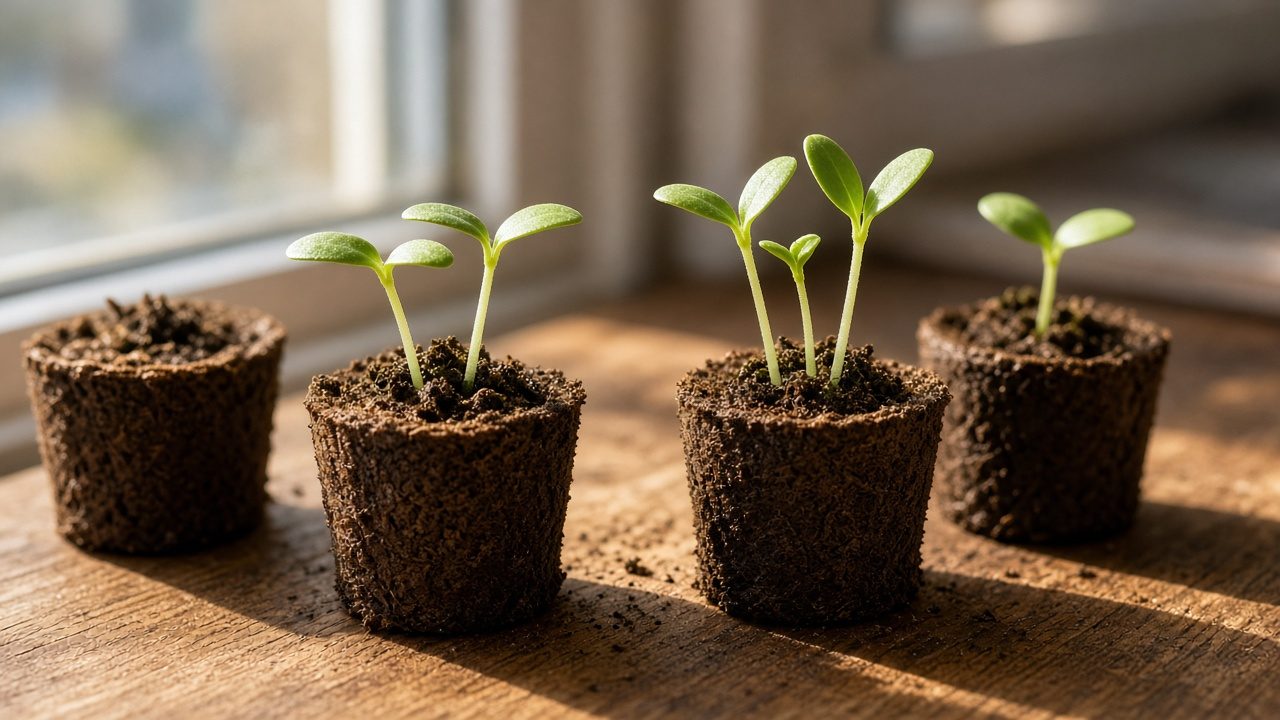
Every vegetable variety possesses specific temperature preferences that determine when seeds will sprout and when roots will flourish. Cool-season crops such as peas, spinach, kale, and radishes germinate reliably in cool soil between forty-five and sixty-five degrees Fahrenheit. In contrast, warm-season crops like tomatoes, sweet bell peppers, squash, and cucumbers require soil temperatures above sixty-five degrees to germinate and grow without stunting.
Your local last spring frost date and first autumn frost date serve as the primary chronological anchors for your gardening calendar. Most seed packet instructions describe planting times relative to these dates, such as sowing indoors six weeks before the last frost or direct seeding two weeks after the danger of frost has passed. Checking localized frost probabilities through your regional cooperative extension office provides the baseline data needed to schedule your tasks.
Monitoring Soil Thermometers Before Planting
Air temperatures can be deceptively warm on a sunny spring afternoon while the soil several inches deep remains chilly and waterlogged. Planting warm-weather transplants into cold soil stunts root development and encourages damping-off fungal diseases. Investing in an inexpensive soil probe thermometer allows you to verify that root zone temperatures consistently meet crop thresholds before setting transplants outdoors.
Hardening Off Delicate Seedlings Outdoors
Before moving tender indoor-grown seedlings into open garden beds, they must undergo a gradual conditioning process known as hardening off. Starting seven to ten days before transplanting, place your seedling trays in a sheltered, shaded outdoor location for two hours, gradually increasing their exposure to direct sunlight, cool breezes, and fluctuating temperatures each day. This process thickens plant cuticles and strengthens stems, preventing severe transplant shock.
Spring Vegetable Sowing for Cool-Weather Crops
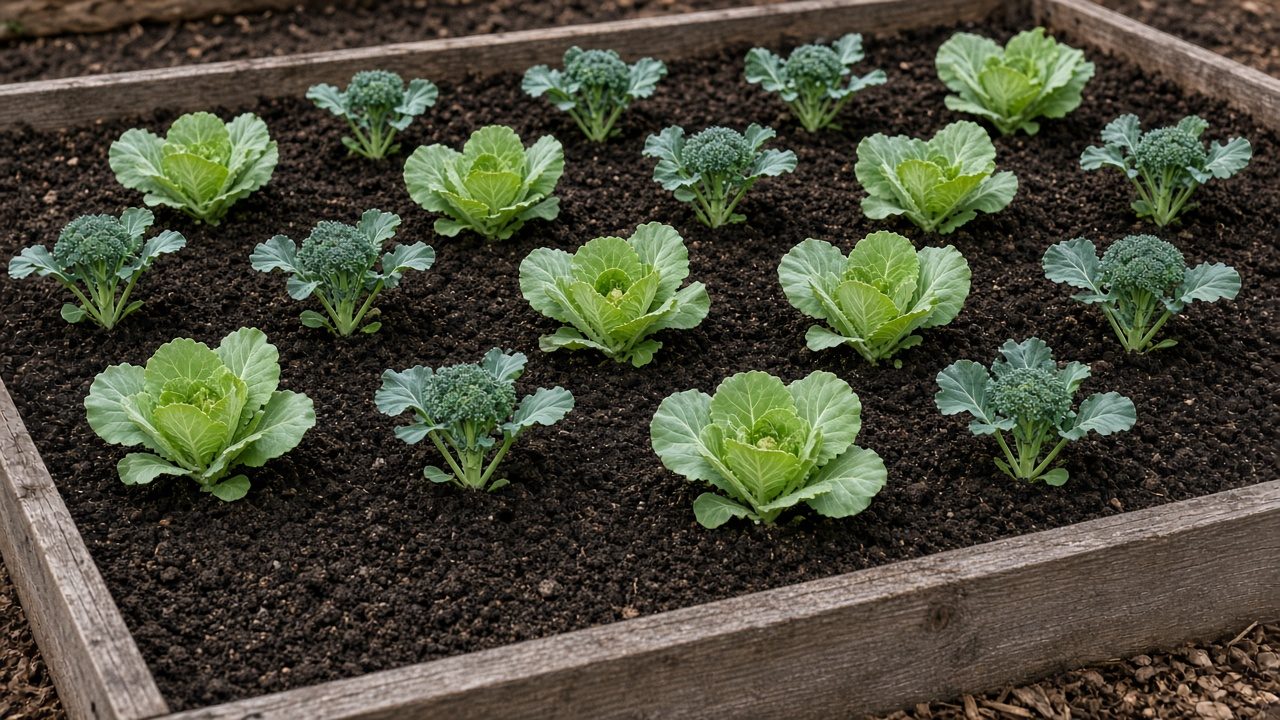
Spring marks the beginning of the outdoor growing year, opening with the planting of frost-tolerant greens and root vegetables. As soon as winter snows melt and garden bed soil can be worked without clumping, direct-seed cold-hardy vegetables such as snow peas, radishes, spinach, arugula, and mustard greens. These vigorous plants can endure light spring frosts and develop superior, sweet flavor under cool daytime temperatures.
Four to six weeks before the historical last spring frost, outdoor beds can welcome hardened-off transplants of heading brassicas, including broccoli, cabbage, cauliflower, and kale. Reviewing a practical vegetable garden layout for beginners will help you space these wide-leafed brassicas properly so they do not crowd adjacent root crops like carrots and beets.
Staggered Successive Plantings for Continuous Harvests
Rather than planting an entire season’s supply of lettuce or radishes on a single spring weekend, practice successive sowing every ten to fourteen days. Sowing small, staggered batches ensures a continuous harvest of tender young greens over many weeks, eliminating the overwhelming harvest glut that occurs when all plants mature simultaneously.
Warm-Season Transplants for Summer Abundance
The transition to warm-season gardening begins two to three weeks after the last spring frost date, once nighttime air temperatures stay reliably above fifty degrees Fahrenheit. This is the prime window for transplanting warm-weather heavy hitters such as indeterminate slicing tomatoes, sweet bell peppers, hot chilies, and eggplants into sunny beds. These heat-loving nightshades require warm soil and full sunshine to produce bountiful blossoms and fruit.
At the same time, direct-seed tender warm-season crops including bush green beans, pole beans, sweet corn, zucchini, yellow squash, and slicing cucumbers directly into your planter boxes. Providing climbing trellises for vining varieties keeps foliage off the ground, improves air circulation, and keeps developing fruit straight and clean throughout summer.
Late Summer Planting for Autumn and Winter Harvests
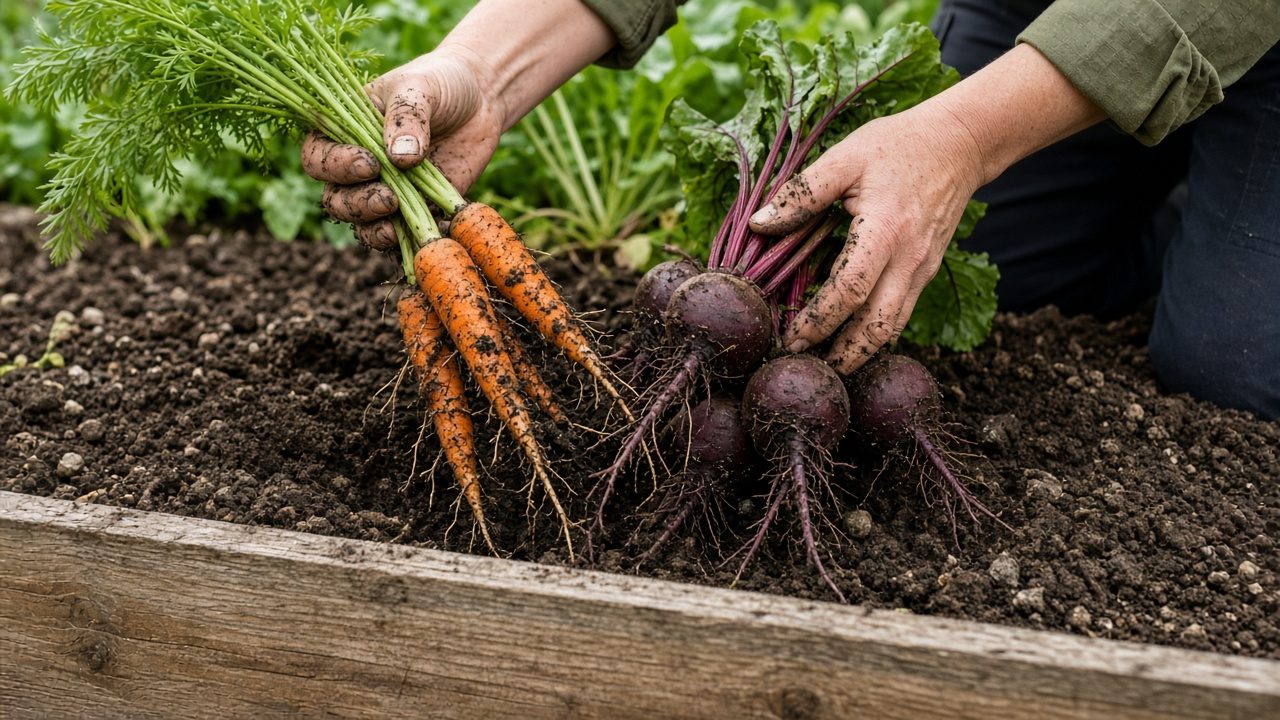
Midsummer is the time when proactive gardeners plan and plant their second major harvest cycle of the year. During July and early August, while summer crops are producing heavily, begin sowing seeds for cool-season autumn vegetables. Planting carrots, beets, turnips, Swiss chard, and winter radishes in midsummer allows root systems to establish while soil is warm, maturing during the crisp, pest-free days of autumn.
Many cold-hardy vegetables actually taste sweeter when harvested after light autumn frosts. Frost triggers plants like kale, Brussels sprouts, carrots, and parsnips to convert stored starches into natural plant sugars, acting as a natural antifreeze that enhances flavor. If you garden in the central states, reviewing a dedicated zone 6 planting schedule provides additional regional nuance for timing late-season crops.
Master Monthly Vegetable Timetable
The master timetable below outlines general seasonal garden activities across the calendar year, providing a structured blueprint for indoor sowing, outdoor transplanting, and direct garden bed seeding.
| Month | Indoor Seed Starting | Outdoor Transplanting | Direct Outdoor Sowing |
|---|---|---|---|
| February | Onions, leeks, celery | None | None |
| March | Broccoli, cabbage, kale, tomatoes | None | Snap peas, radishes, spinach |
| April | Peppers, eggplants, basil | Broccoli, kale, cabbage | Carrots, beets, Swiss chard |
| May | Cucumbers, melons, squash | Tomatoes, peppers, eggplants | Bush beans, sweet corn, squash |
| June | None | Sweet potato slips, late peppers | Succession beans, cucumbers |
| July | Fall brassicas under shade | None | Fall carrots, beets, bush beans |
| August | None | Fall broccoli, cauliflower | Spinach, radishes, winter lettuce |
| September | None | None | Garlic cloves, winter cover crops |
Horticultural guidance from the Clemson University Cooperative Extension highlights that maintaining an orderly planting timetable reduces pest pressure, conserves soil nutrients, and dramatically increases total annual garden yield. By tailoring your schedule to regional frost dates and seasonal temperatures, you will enjoy a continuous harvest of fresh, delicious produce throughout the year.
Consulting a comprehensive vegetable planting calendar transforms home food gardening from a guessing game into an organized, highly productive seasonal rhythm. With thoughtful planning, attentive soil care, and timely successions, your backyard beds will deliver wholesome, delicious food across all four seasons.
Frequently Asked Questions
Why is a planting calendar important for vegetable gardens?
A planting calendar provides precise timing for seed starting, transplanting, and harvesting based on your local climate and frost dates. Following a calendar prevents you from planting too early in cold soil or missing critical windows for warm-season and autumn crop successions.
When should cool-season vegetables be planted in spring?
Cool-season vegetables like peas, spinach, and radishes can be direct-seeded outdoors two to four weeks before the last spring frost date, as soon as the soil is thawed and workable. Transplants of cabbage and broccoli can go into the garden three to four weeks before the last frost.
How do soil temperatures affect seed germination?
Soil temperature directly controls seed germination speed and success. Cold-season seeds germinate in cool soil around forty-five to fifty degrees Fahrenheit, whereas warm-season crops like tomatoes and peppers require soil temperatures of at least sixty-five degrees to germinate without rotting.
Can you plant a second vegetable crop for fall harvesting?
Yes, midsummer is the ideal time to plant a second crop of cool-season vegetables for autumn harvesting. Direct-sowing carrots, beets, bush beans, and spinach during July and August yields crisp harvests throughout autumn and early winter.