Exploring creative raised garden bed ideas allows backyard growers to design productive, durable, and space-efficient planting spaces tailored to their landscape. By selecting rot-resistant building materials, comfortable box heights, and integrated trellising, you can transform difficult yard spaces into thriving organic vegetable plots that produce bountiful harvests with minimal physical strain.
Elevated garden planters solve common soil challenges such as heavy clay, subterranean rocks, and poor drainage. Whether you cultivate a sprawling suburban yard or a compact townhouse patio, constructing raised frames provides total control over soil fertility, moisture retention, and seasonal crop rotation from your very first planting season.
Before assembling your materials, consulting a visual raised bed planner helps you calculate square footage accurately, visualize walking corridors, and position taller crops where they will not shade neighboring vegetables. According to construction guidelines from the University of Maryland Extension, using durable untreated lumber or galvanized corrugated steel ensures long-lasting structural strength without introducing synthetic chemical preservatives into your organic vegetable beds.
Carefully planning your box geometry and orientation ensures that every square foot of garden space receives adequate sunlight and proper airflow. Pairing thoughtful planter design with proven companion planting strategies creates a resilient backyard ecosystem that stays productive and healthy across spring, summer, and autumn.
Durable Materials for Long-Lasting Planter Boxes
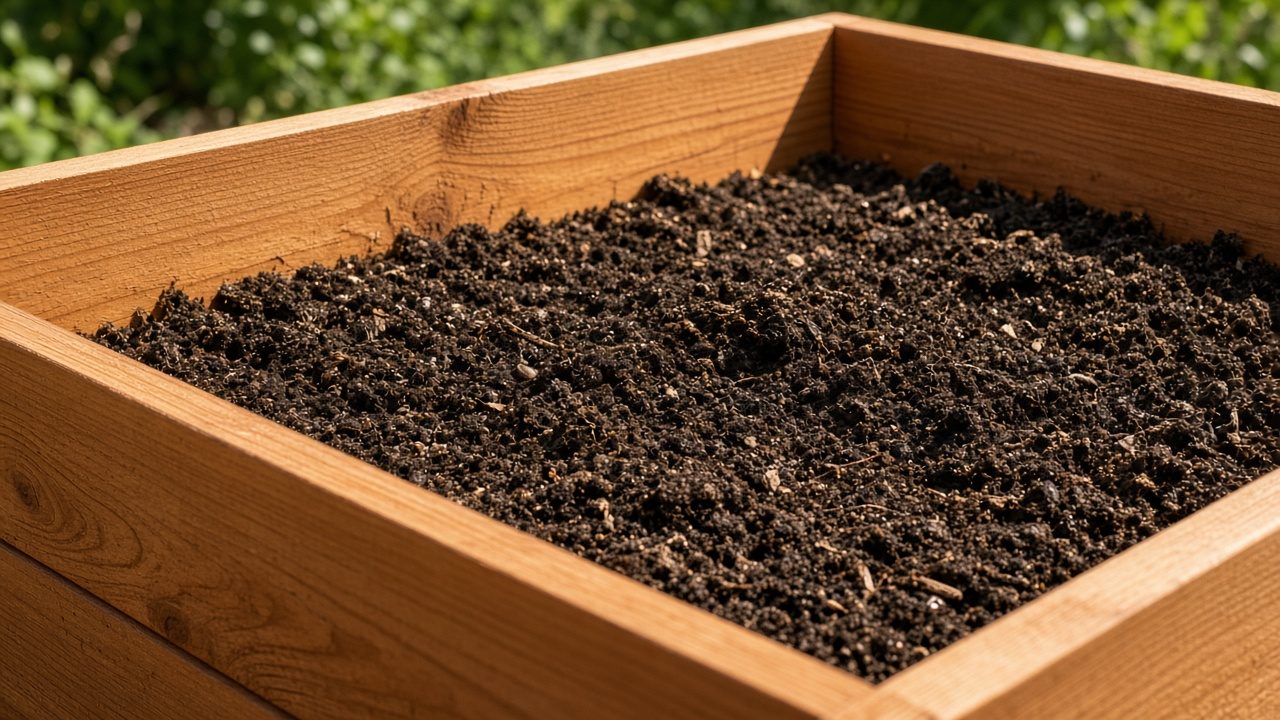
Selecting the proper building material determines how long your planter boxes remain structurally sound and visually appealing. Untreated western red cedar, redwood, and black locust represent premier natural lumber choices because their natural tannins resist fungal rot and insect damage for over a decade. While premium rot-resistant hardwoods require a higher initial investment, their durability eliminates the frustration of rebuilding decayed frames every few seasons.
For gardeners seeking budget-friendly solutions, standard untreated construction fir or pine lumber provides three to five years of dependable service. Applying non-toxic food-grade mineral oil, raw linseed oil, or natural pine tar helps protect untreated softwood planks from outdoor moisture without contaminating delicate vegetable roots. Never use vintage pressure-treated wood produced prior to 2004, as older dimensional lumber often contains toxic chromated copper arsenate compounds.
Galvanized Corrugated Metal Planters
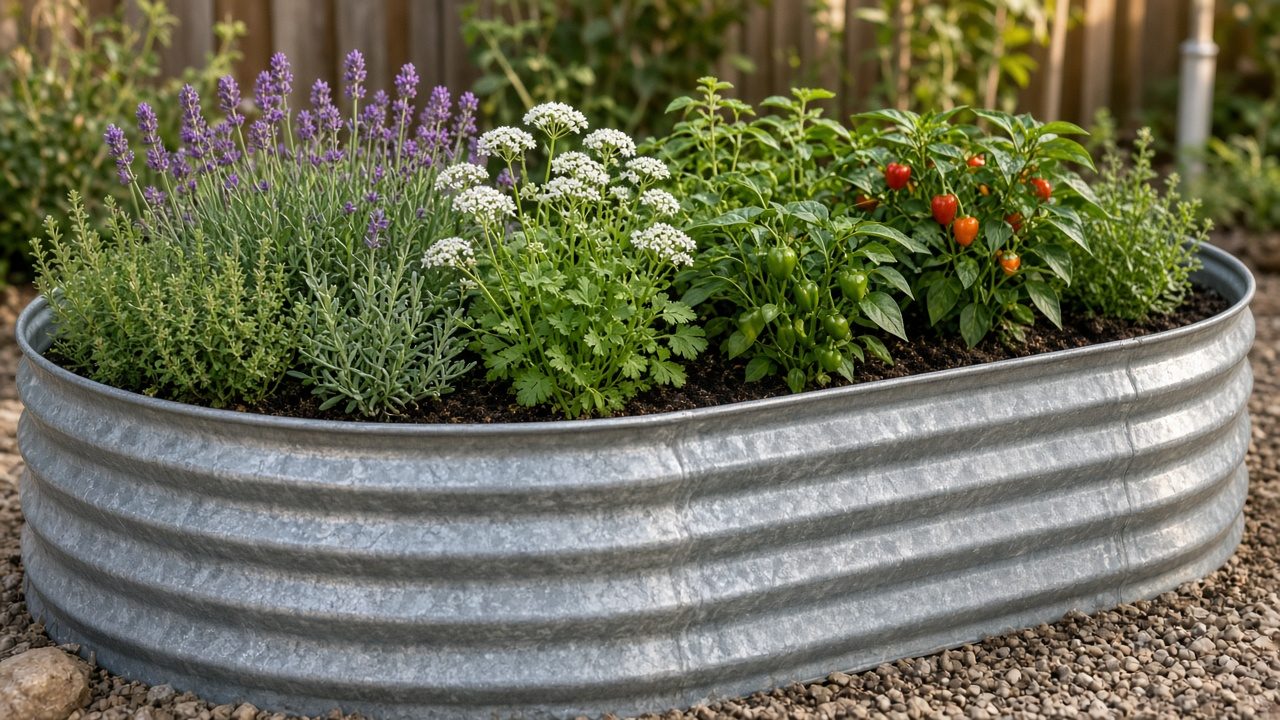
Galvanized steel troughs and modular corrugated metal beds have become exceptionally popular for their modern aesthetic and outstanding weather resistance. High-grade aluzinc or galvanized steel resists rust, chipping, and weathering for up to thirty years in damp outdoor environments. The metal surface reflects intense summer heat, keeping root zones cooler than many beginners expect while providing rigid perimeter walls that prevent burrowing pests from entering.
Composite and Recycled Plastic Lumber
Recycled plastic lumber and composite wood boards offer an innovative, completely rot-proof solution for building raised garden planters. These dense composite planks never splinter, crack, or warp, making them an excellent choice for rainy regions or coastal properties. Assembling composite boards with heavy-duty aluminum corner brackets produces clean, geometric planter boxes that blend seamlessly into modern patio landscapes.
Ergonomic Box Heights for Easy Gardening
Determining the ideal height for your planter walls depends on your physical needs and the rooting habits of your selected vegetables. Standard eight-to-twelve-inch beds provide plenty of soil depth for shallow-rooted crops such as leafy greens, radishes, spinach, and bush beans. These lower beds require less construction lumber and can be filled to capacity with minimal bulk soil volume.
However, taller planter boxes measuring seventeen to thirty inches in height offer unmatched ergonomic comfort for senior gardeners or individuals managing back and joint limitations. Elevated boxes eliminate the need for painful bending, kneeling, or stooping on wet lawn turf, transforming daily weeding and harvesting into comfortable activities. Additionally, higher sidewalls form a dependable physical barrier that deters wandering domestic pets, wild rabbits, and ground-crawling slugs.
Filling Deep Planters Economically
Filling thirty-inch planter frames entirely with purchased bagged soil and premium organic compost can quickly become an expensive proposition. Savvy gardeners apply the traditional principles of hugelkultur by filling the bottom third or half of deep planters with thick decaying logs, fallen tree branches, dry leaves, and wood chips. As these buried woody materials slowly decompose, they create a nutrient-rich moisture sponge that retains water during summer dry spells while significantly reducing initial soil filling costs.
Ensuring Subsoil Aeration and Drainage
Maintaining excellent bottom drainage is essential when managing deep planter boxes. If your boxes sit on compacted lawn subsoil or hard paving, installing bottom drainage holes or setting frames on a clean gravel bed prevents stagnant water from accumulating around delicate feeder roots. Research published by the Clemson University Cooperative Extension indicates that well-drained elevated planters warm up faster in early spring and encourage vigorous, disease-free root development.
Integrated Trellising and Vertical Plant Supports
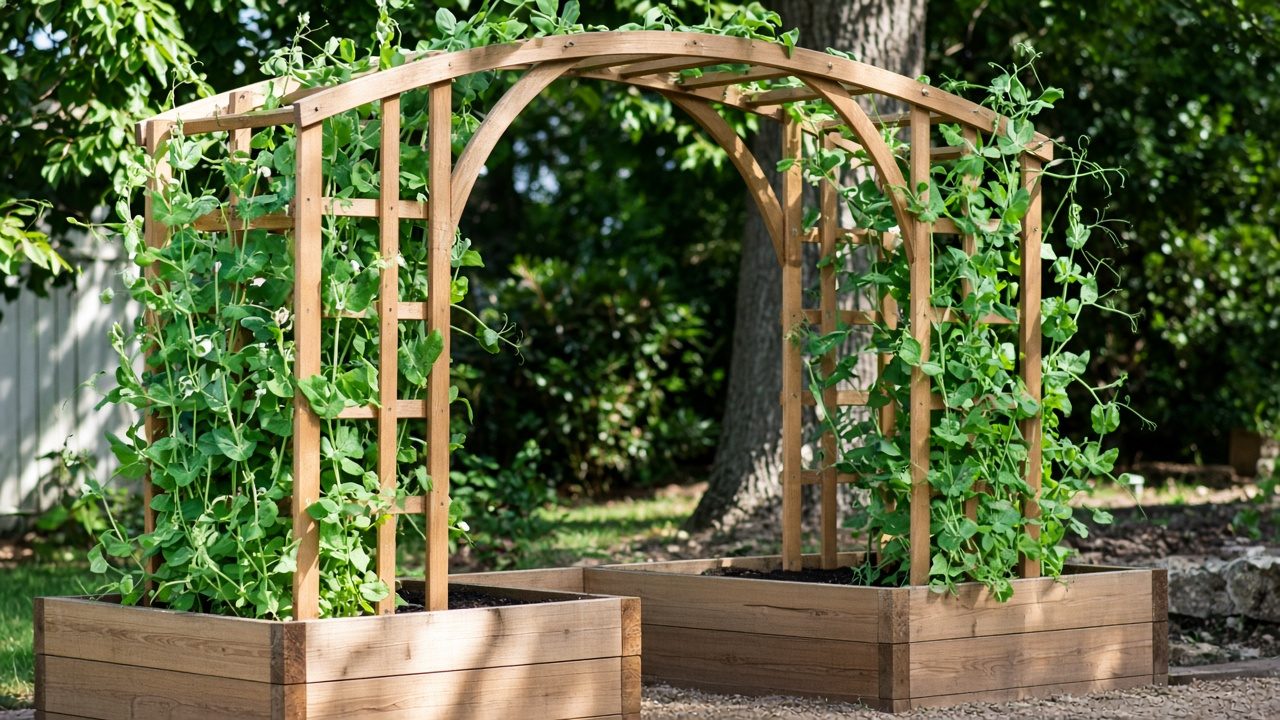
Incorporating vertical plant supports directly into your planter boxes maximizes your harvest potential by expanding your growing area upward. Vining vegetables such as indeterminate pole tomatoes, winter squash, climbing cucumbers, and pole beans quickly take over horizontal soil if allowed to trail along the ground. Securing heavy-duty cattle panels, wooden lattices, or nylon trellis netting along the northern edge of your boxes keeps climbing foliage tidy, upright, and elevated above damp soil.
Arching cattle panel trellises connecting two parallel planter boxes create magnificent living green tunnels draped with sweet snap peas or hanging cucumbers. Harvesting fruit from an overhead canopy is remarkably easy because suspended vegetables grow straight and stay free of dirt splatters. Furthermore, training vigorous vines vertically promotes superior air circulation throughout the leaf canopy, dramatically reducing fungal outbreaks such as powdery mildew and bacterial leaf spot.
Removable Hoop Houses and Weather Protection
Installing flexible PVC hoops or metal electrical conduit arches along the inside perimeter of your planter boxes allows you to install protective row covers in minutes. In early spring, covering the hoops with clear greenhouse plastic creates a protective cold frame that shields tender vegetable seedlings from unexpected late frosts. When intense summer heat arrives, replacing clear plastic with breathable shade cloth prevents sunscald on ripening peppers and prevents cool-season lettuces from prematurely bolting.
Creative Geometric Box Arrangements and Layouts
Arranging your planting boxes in deliberate geometric layouts elevates a standard backyard into an organized, attractive garden retreat. While traditional parallel rows remain a practical choice for large yards, creative U-shaped, L-shaped, and keyhole arrangements maximize accessible planting perimeter while minimizing dedicated pathway space. A central walk-in notch allows you to reach every crop comfortably without ever stepping on cultivated soil.
When mapping your yard space, maintaining wide, clear pathways between planter boxes is vital for convenient maintenance and harvesting. Reviewing a proven raised bed garden layout ensures your primary walking lanes measure thirty to thirty-six inches across, allowing wheelbarrows and garden carts to navigate effortlessly. Covering these pathways with durable landscape fabric and a thick layer of cedar bark chips or crushed pea gravel keeps walkways dry, clean, and entirely free of persistent lawn weeds.
Orientation for Balanced Sunlight Exposure
Aligning the long axis of rectangular planter boxes in a north-to-south direction provides balanced solar exposure to both sides of the bed throughout the day. Morning sunlight nourishes the eastern side of your crops, while afternoon rays warm the western exposure, preventing tall central vegetables from casting permanent shade over low-growing neighbors. If yard fences require an east-west orientation, simply place your tallest trellised crops along the northern bed wall so that southern sunlight reaches every plant.
Multi-Tiered Planters and Polyculture Planting
Multi-tiered stepped planters combine varying soil depths in a single compact footprint, making them ideal for small yards, townhouse decks, and sunny patios. A stepped three-tier planter provides deep twenty-four-inch soil on the bottom level for long taproot crops like carrots and parsnips, a medium-depth tier for peppers and bush beans, and a shallow top tier for fresh culinary herbs and strawberries.
Integrating diverse plant species within the same planter box mimics natural polyculture ecosystems and discourages pest infestations. Following a proven companion planting chart enables you to pair aromatic French marigolds and sweet basil alongside demanding fruiting vegetables to deter hornworms and enhance overall garden vitality. Combining beauty, ergonomics, and productive ecology elevates everyday backyard gardening into an abundant seasonal harvest.
Putting these raised garden bed ideas into practice helps you build an outdoor space that reflects your personal gardening style and practical needs. By investing in rot-resistant building materials, fertile living soil blends, and durable climbing trellises, you will establish a productive vegetable sanctuary that provides fresh organic produce for many years.
Frequently Asked Questions
What is the most durable wood for building planter boxes?
Untreated western red cedar, redwood, and black locust are the most durable lumber choices for outdoor planter construction. These woods contain natural rot-resistant tannins that endure outdoor weathering and moisture for ten to fifteen years. They provide long-lasting structural strength without requiring chemical wood preservatives.
How deep should a planter box be for common vegetables?
Most common garden vegetables require a minimum soil depth of eight to twelve inches to develop strong, healthy root systems. Deeper planters measuring seventeen to thirty inches offer wonderful ergonomics for gardeners and accommodate large taproot crops like carrots and parsnips. Taller beds also hold greater moisture reserves during intense summer heatwaves.
Can you fill the bottom of tall planter boxes with tree logs?
Yes, layering decaying logs, fallen tree branches, and dry leaves into the bottom half of tall planters is an excellent hugelkultur practice. These organic materials break down slowly over several seasons, creating a nutrient-rich sponge that retains moisture while reducing the amount of expensive potting soil required to fill the box.
Do galvanized metal planter boxes overheat vegetable roots in summer?
High-grade galvanized corrugated steel planters do not overheat soil in home vegetable gardens. The metal exterior reflects excess solar radiation while the large volume of damp internal soil provides excellent thermal buffering. In most climates, soil temperatures inside metal planters remain consistent with traditional wooden boxes.