Starting a productive raised bed vegetable garden allows home growers to cultivate crisp vegetables, aromatic herbs, and sweet fruits in loose, fertile soil. By creating contained growing zones above native ground, you gain total control over soil structure, nutrient balance, and moisture levels, ensuring higher crop yields with significantly less weeding and bending than conventional in-ground rows.
Contained gardening boxes bypass frustrating yard challenges like dense clay, subterranean tree roots, and poor water percolation. Elevating your growing environment also causes the soil to warm up faster in early spring, allowing you to sow cold-hardy greens several weeks before ground soil is workable.
When designing your garden, referencing an interactive raised bed planner helps you calculate square footage accurately and arrange walking corridors between planters. Expert soil management guidelines from the University of Maryland Extension emphasize that filling boxes with a custom blend of topsoil, organic compost, and coarse aeration amendments establishes a biologically active root zone that sustains thriving plants through summer heat.
Combining proper site selection, durable box construction, and balanced organic soil gives your vegetables the ideal foundation for vigorous growth. As your garden matures, regular organic feeding, deep root irrigation, and seasonal crop rotation will deliver bountiful harvests for your kitchen year after year.
Selecting the Ideal Garden Site for Sun and Drainage
Choosing the right location in your backyard is the single most critical decision for long-term gardening success. Fruiting warm-season crops like tomatoes, sweet bell peppers, zucchini, and cucumbers require a minimum of six to eight hours of direct, unobstructed sunlight each day to set blossoms and ripen fruit. Observe your property at different hours of the day to identify areas free from the shade of large trees, outbuildings, or neighboring fences.
Water access is another essential site selection factor that beginners frequently overlook. Hauling heavy watering cans or dragging long hoses across the lawn becomes exhausting during midsummer heat waves. Position your planting boxes within comfortable reach of an exterior spigot, or install dedicated poly tubing to support a low-pressure drip irrigation system.
Evaluating Ground Slope and Air Circulation
Positioning your planter frames on relatively level terrain prevents rainwater from pooling at one end of the box or eroding the soil during sudden downpours. If your yard has a gentle slope, digging shallow trenches along the uphill edge allows you to set the wooden or metal frames level without complex grading. Good ambient air movement across your site is also beneficial because gentle breezes dry wet foliage quickly, reducing the incidence of fungal leaf spot and powdery mildew.
Avoiding Root Competition from Nearby Trees
Avoid constructing your planters directly beneath the drip line of mature shade trees or aggressive woody shrubs. Vigorous tree roots naturally seek out rich moisture and loose soil, rapidly invading your planting boxes from below and depleting vital nutrients. Placing a durable barrier of heavy-gauge woven landscape fabric or galvanized wire mesh along the bottom of the frame deters invasive roots from entering the growing zone.
Building and Sizing Your Raised Garden Beds
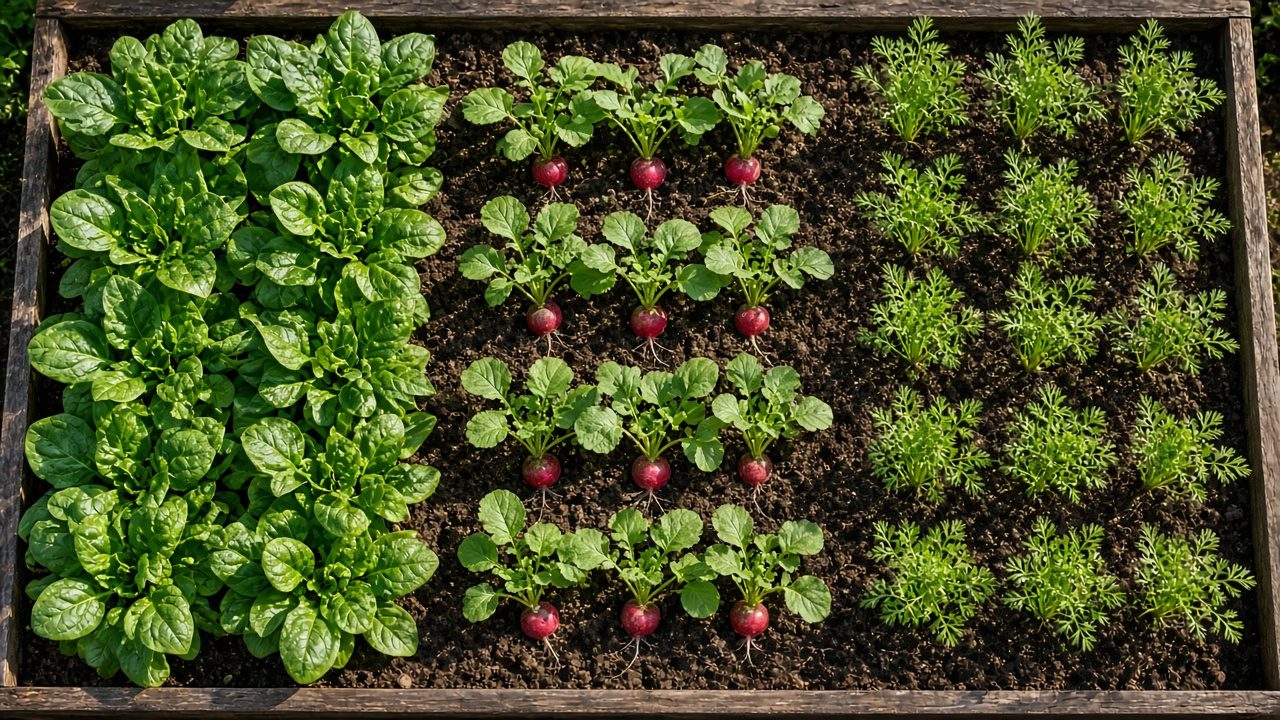
The physical dimensions of your garden boxes directly impact daily maintenance ease and plant health. The standard recommended width for backyard planter frames is four feet when accessible from both long sides. A four-foot width allows an average adult to reach comfortably into the center of the bed from either side without bending awkwardly or stepping into the soil.
If you plan to place a box against a wall, garage, or property boundary fence where access is limited to a single side, restrict the width to two or three feet. Never build boxes so wide that you must step onto the planting medium to weed or harvest, as foot traffic compacts the soil, crushes delicate air channels, and inhibits root respiration.
Choosing Box Depth and Timber Sizing
A bed depth of ten to twelve inches provides ample room for most annual vegetables, including leafy greens, brassicas, bush beans, and shallow root crops. Taller boxes measuring eighteen to twenty-four inches offer superior ergonomics and hold larger soil volumes that resist rapid temperature swings. Research from the Utah State University Extension confirms that deeper soil reservoirs provide enhanced moisture stability, protecting shallow feeder roots during dry summer afternoons.
Spacing Corridors for Wheelbarrow Access
Carefully mapping your pathways is just as important as building the boxes themselves. Reviewing a detailed vegetable garden layout for beginners will help you maintain walkway widths of thirty to thirty-six inches between adjacent boxes. Wide corridors ensure you can maneuver wheelbarrows, garden carts, and harvest buckets without scraping against wooden frame corners or crushing hanging foliage.
Creating the Perfect Living Soil Mixture for Vegetable Beds
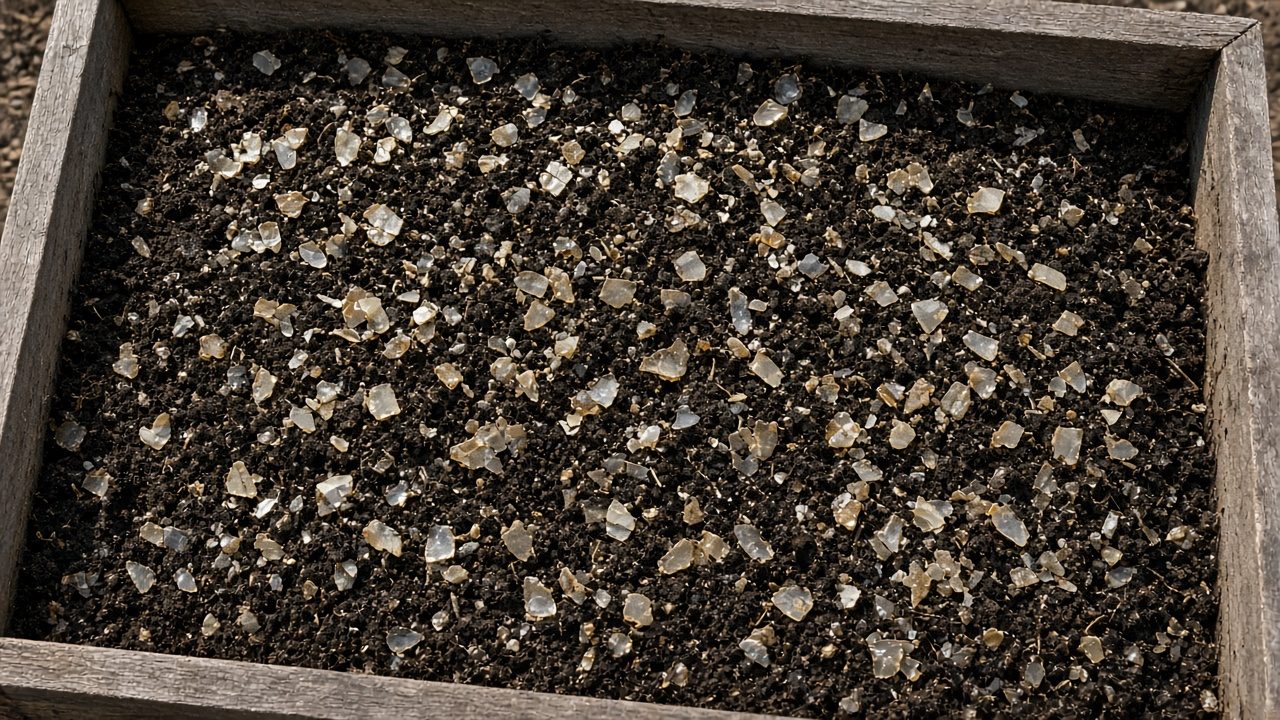
The foundation of every thriving raised bed vegetable garden is the custom soil blend used to fill the frames. Never fill raised boxes with ordinary backyard dirt, which tends to compact into dense, airless blocks when contained within perimeter boards. Instead, create a light, porous growing medium that balances water retention with rapid excess drainage.
A classic, proven soil recipe combines equal parts by volume of sifted organic compost, coarse horticultural vermiculite or perlite, and shredded peat moss or coconut coir. The peat moss or coir holds vital moisture around plant roots, the perlite prevents compaction by maintaining loose air channels, and the organic compost supplies a diverse microbial population and balanced plant nutrients.
Replenishing Nutrients Season After Season
Because intensive raised bed plantings draw heavily on available soil fertility, annual nutrient replenishment is necessary to maintain high yields. At the beginning of each spring and fall planting cycle, spread a two-inch layer of well-rotted animal manure or finished leaf compost across the top of your beds. Gently scratching this organic matter into the top few inches of soil feeds earthworms and beneficial bacteria without disrupting established soil architecture.
Smart Vegetable Crop Selection and Planting Techniques
Making the most of your elevated planting area requires thoughtful crop selection and efficient spacing. Compact bush varieties, dwarf tomatoes, root vegetables, and cut-and-come-again leafy greens are ideally suited for intensive square-foot gardening methods. Rather than planting in single, widely spaced rows, arrange your seedlings in staggered grids so that mature leaves form a living canopy that shades the soil, suppresses weeds, and conserves moisture.
Pairing compatible crops together also enhances garden resilience. Consulting an informative companion planting chart allows you to plant aromatic basil beside sweet tomatoes to confuse insect pests, or grow radishes alongside cucumbers to deter beetles. Taking advantage of natural biological partnerships keeps your plants vigorous and productive without chemical pesticides.
Incorporating Trellises for Climbing Vegetables
Installing vertical trellises along the northern perimeter of your garden frames allows climbing crops to grow upward instead of sprawling across valuable soil. Indeterminate tomatoes, pole beans, and vining squash thrive on sturdy wire cattle panels or vertical wooden frames. Growing vertically keeps developing fruit clean, prevents ground rot, and dramatically improves air circulation around maturing foliage.
Essential Watering and Routine Maintenance
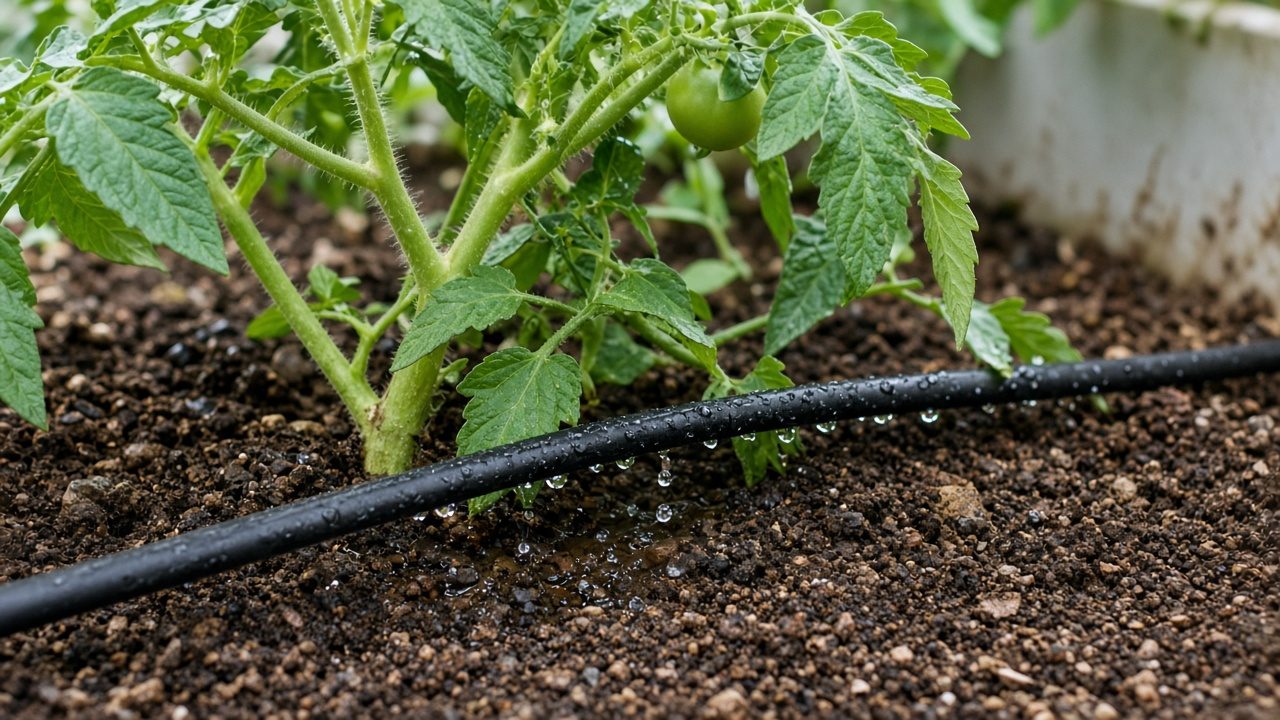
Maintaining consistent soil moisture is crucial because elevated planter boxes drain faster than surrounding native ground. Installing a drip irrigation system with emitter tubing or porous soaker hoses ensures water reaches the root zone efficiently without wetting foliage. Deep, infrequent waterings encourage taproots to grow downward into moist lower soil layers, producing drought-hardy plants that resist summer stress.
Applying a two-to-three-inch layer of organic mulch across the soil surface preserves precious moisture and moderates root zone temperatures. Clean shredded straw, untreated wood chips, or chopped autumn leaves keep the topsoil cool during scorching weather while naturally preventing weed seeds from germinating. With dependable irrigation, fertile living soil, and regular seasonal feeding, your raised vegetable garden will reward your family with fresh, wholesome food throughout the growing year.
Frequently Asked Questions
How often should I water my raised vegetable garden?
During warm spring weather, watering two to three times per week is generally sufficient for established crops. In the peak of summer heat, elevated boxes may require daily watering, especially for shallow-rooted vegetables like lettuce and radishes. Always check soil moisture two inches below the surface before applying water.
What is the best soil recipe for filling garden boxes?
A classic and highly effective soil blend consists of one-third blended organic compost, one-third peat moss or coconut coir, and one-third coarse vermiculite or perlite. This mixture provides outstanding water retention, promotes healthy air circulation around roots, and supplies balanced organic nutrients for vigorous plant growth.
Do I need to put a liner in the bottom of my garden box?
If your box sits on lawn turf or soil containing aggressive weeds or burrowing rodents, lining the bottom with hardware cloth or heavy cardboard is highly beneficial. Cardboard smothers underlying grass before decomposing into organic matter, while hardware cloth prevents burrowing gophers and voles from entering your vegetable beds.
Can I reuse the soil in my garden boxes every year?
Yes, you can reuse your garden box soil for many years without replacing it entirely. Simply refresh the soil each spring by adding a two-to-three-inch layer of fresh organic compost, aged manure, or worm castings. This seasonal top-dressing restores depleted nutrients and maintains a thriving microbial community in the root zone.