Choosing reliable, resilient, and easy vegetables to grow gives beginning gardeners the confidence and practical momentum needed to build a thriving backyard food garden. Starting your growing journey with forgiving plant varieties ensures early kitchen harvests, minimal pest complications, and rapid learning without the frustration of finicky, disease-prone crops.
Every vegetable species possesses unique growth requirements, but certain backyard staples demonstrate exceptional vigor across diverse climatic regions and soil conditions. These beginner-friendly vegetables germinate reliably from seed, develop sturdy foliage rapidly, and yield continuous edible rewards throughout spring, summer, and autumn. Focusing your initial garden beds on robust crops guarantees high nutritional returns for your gardening labor.
Before preparing timber frames and purchasing seed packets, using a comprehensive raised bed planner layout helps you allocate proper spacing, plan pathway widths, and align companion plants efficiently. According to the University of Maryland Extension raised bed production guide, loose, well-aerated planter soil warms faster in spring and offers an ideal root environment for beginner crops compared to compacted native ground.
Pairing reliable crops with proven layout techniques explained in our vegetable garden layout for beginners ensures you maximize every square foot of growing space. By organizing your planting boxes logically, you can enjoy crisp radishes, vibrant lettuces, sweet peas, and bountiful summer squash from early spring through the first autumn freezes.
Fast-Maturing Root Vegetables and Crisp Garden Greens
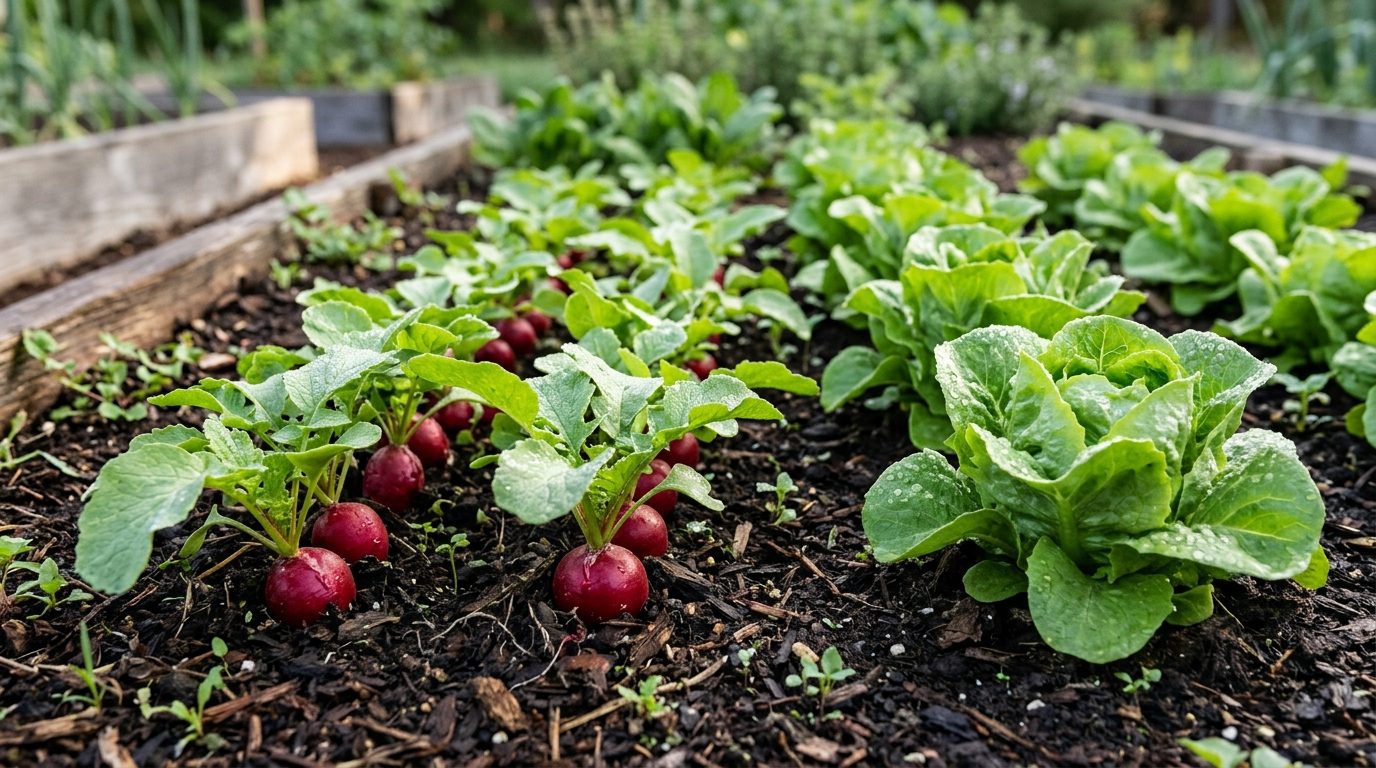
Beginning gardeners often appreciate quick gratification, and few crops reward growers faster than cool-season root vegetables and salad greens. Sown directly into garden beds as soon as winter soil thaws, these cold-hardy vegetables germinate in chilly temperatures and mature before summer heat sets in. Their shallow root structures make them perfect candidates for intensive planting in boxed beds.
Successive sowing every two weeks ensures an uninterrupted kitchen supply from early spring through early summer. When leafy greens and roots finish their productive cycle, beds can be refreshed with compost and replanted with warm-season fruiting crops.
Crunchy Spring Radishes for Quick Garden Success
Radishes stand out as the fastest food crop in the home garden, transitioning from tiny seeds to crisp, peppery roots in just twenty-one to twenty-eight days. Varieties like French Breakfast, Cherry Belle, and Champion germinate within four days of sowing. Their rapid growth cycle makes them excellent row markers when interplanted with slower-germinating seeds like carrots or parsnips.
Thin radish seedlings to two inches apart as soon as first true leaves appear to prevent crowded, distorted roots. Harvest radishes promptly when they reach marble to golf-ball size, as roots left in hot soil quickly become pithy, woody, and excessively pungent.
Cut-and-Come-Again Leaf Lettuce Varieties
Looseleaf lettuce varieties such as Black-Seeded Simpson, Salad Bowl, and Oakleaf eliminate the need to wait for a tight head of lettuce to form. Gardeners can begin harvesting individual outer leaves just four weeks after sowing seeds, allowing the central growing point to continue producing fresh foliage for weeks. This cut-and-come-again harvesting technique yields multiple salad bowls from a single compact planting row.
Leaf lettuce thrives in cool spring temperatures between fifty-five and sixty-five degrees Fahrenheit. During warm summer spells, erect temporary cloth shade or position lettuce rows under the canopy of taller trellised tomatoes to prevent bolting and bitter flavor development.
Productive Legumes That Are Easy to Cultivate
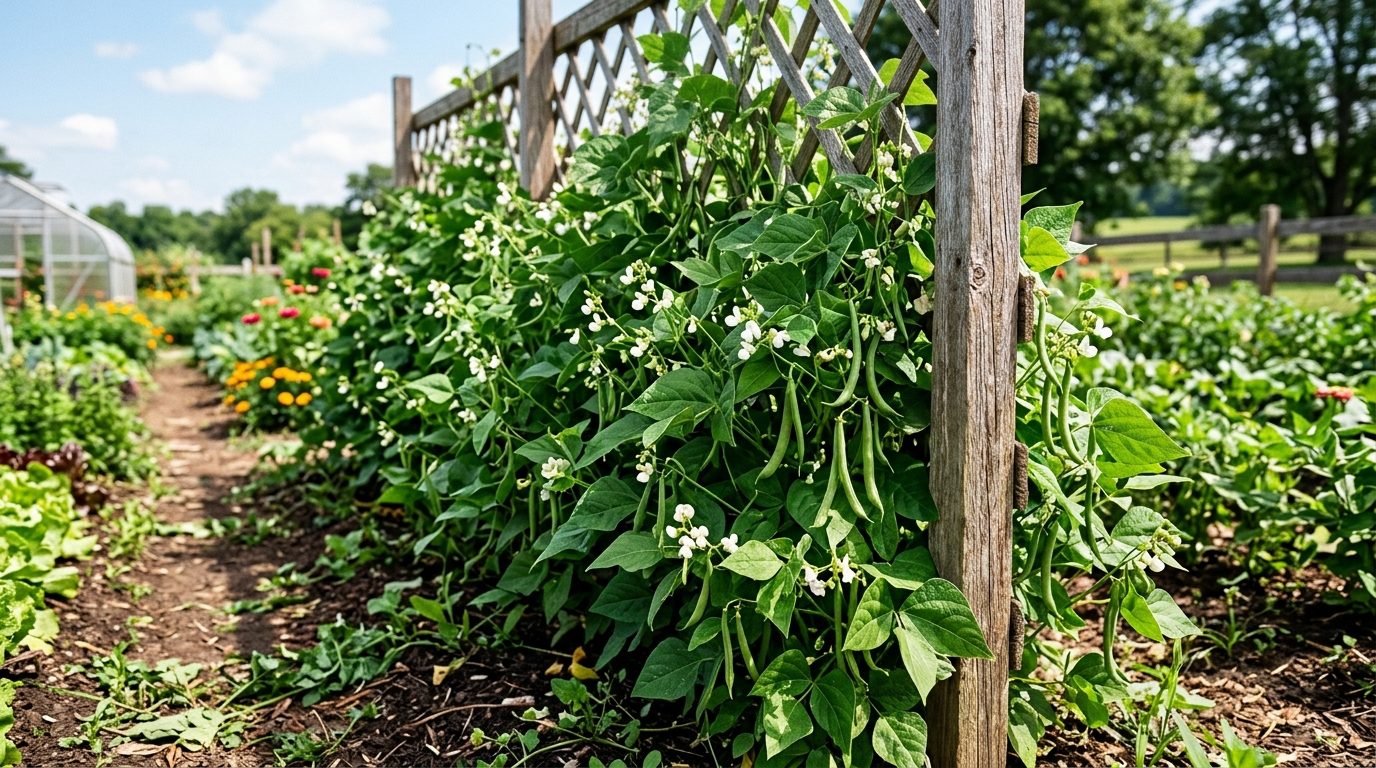
Legumes, including snap beans and sugar snap peas, are among the most generous and cooperative plants in the vegetable kingdom. In addition to delivering heavy weekly harvests, legumes establish symbiotic relationships with beneficial soil bacteria that convert atmospheric nitrogen into usable plant nutrients, naturally enhancing soil fertility for neighboring crops.
Detailed insights from the Clemson University Extension garden planning factsheet note that beans and peas require minimal supplemental fertilization once established, making them especially trouble-free for novice growers.
Snap Bush Beans for Continuous Summer Harvests
Bush green beans, such as Provider, Blue Lake Two-Seventy-Four, and Contender, require no staking or trellising, forming compact two-foot-tall bushes that produce heavy flushes of crisp pods. Sown outdoors once all danger of frost has passed, bush beans begin flowering in forty-five to fifty days and yield heavily for three to four weeks.
Pick bean pods frequently when they are slender, smooth, and pencil-thick. Regular harvesting signals the plant to produce continuous new blossoms and pods, significantly prolonging the productive life of each bush.
Sweet Sugar Snap Peas for Early Spring Picking
Sugar snap peas represent a quintessential cool-season garden treat, offering crisp, edible pods packed with natural sugars. Sown outdoors four to six weeks before the last expected spring frost, pea vines climb easily up simple twine or wire trellises. Their delicate white blossoms attract early pollinating bees to the garden while elevating vertical visual interest across your planting beds.
Pick snap peas daily once pods swell and become plump. Enjoyed raw directly from the vine or lightly steamed, homegrown snap peas exhibit a sweet, tender crunch unmatched by grocery store alternatives.
Heavy-Yielding Summer Vegetables for Home Planters
When summer sunshine warms backyard soil above sixty-five degrees Fahrenheit, warm-season vegetables take center stage. These frost-sensitive annuals expand rapidly, displaying broad foliage and abundant blossoms that mature into delicious kitchen staples. Choosing reliable varieties tailored to container and bed cultivation prevents midsummer overcrowding.
Consulting our foundational guide on starting a raised bed vegetable garden guide helps you manage summer moisture, maintain nutrient levels, and support vigorous summer vines during peak July and August growth.
Prolific Summer Squash and Zucchini Vines
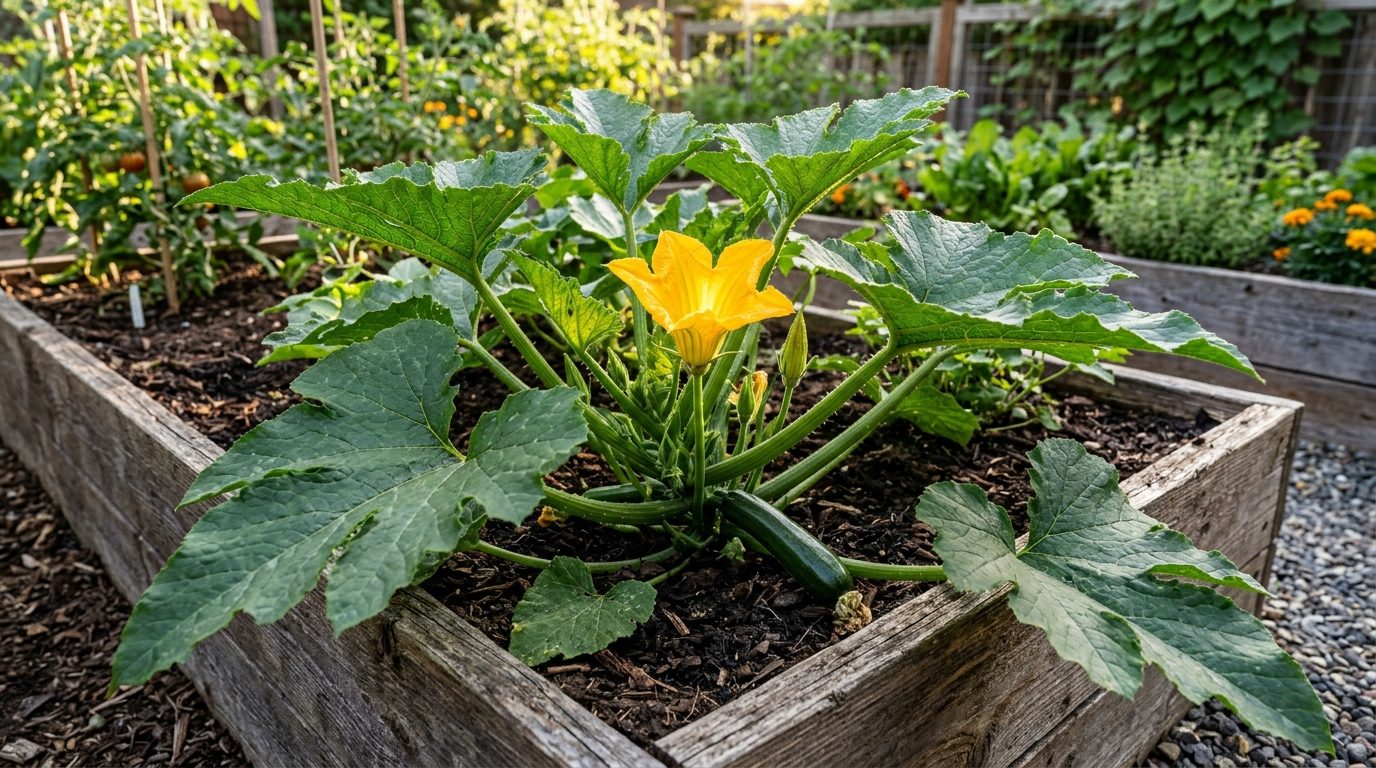
Zucchini and yellow summer squash are famously prolific, often providing an abundance of tender fruit from just one or two well-tended plants. Sown directly into garden soil after frost danger passes, squash seeds emerge in days and develop into large, architectural plants within a month.
Harvest zucchini when fruits are six to eight inches long while skin remains tender and seeds are small. Check plants daily beneath broad leaves, as summer squash can expand from slender fingers to giant club-sized fruits in less than forty-eight hours.
Sweet Cherry Tomatoes for Sunlight Patios
While large beefsteak tomatoes can challenge beginners due to cracking, blossom end rot, and slow ripening, cherry tomatoes are vigorous, resilient, and extraordinarily productive. Varieties like Sun Gold, Sweet One-Hundred, and Black Cherry set hundreds of bite-sized fruits per vine, ripening early in summer and continuing until the first autumn freeze.
Provide sturdy wire cages or vertical garden stakes at planting time to support rambling branches and keep developing fruit off damp soil. Consistent watering prevents fruit split after heavy summer thunderstorms.
Hardy Alliums and Fragrant Herbs to Grow at Home
No home garden is complete without fresh herbs and alliums to elevate home cooking. Green onions, also known as scallions, are compact, pest-resistant, and can be harvested in six to eight weeks. Sown densely in narrow rows or tucked along bed edges, scallions take up negligible space while providing continuous kitchen garnishes.
Sweet Genovese basil, curly parsley, and chives grow effortlessly alongside beginner vegetables. Basil thrives in warm sunshine beside tomatoes, emitting aromatic oils that mask tender crops from insects. Chives are hardy perennials that return year after year, providing purple pollinator flowers in spring and delicate onion flavor all season long.
Simple Planting Routines to Maximize Beginner Harvests
Achieving consistent gardening success relies on establishing straightforward weekly maintenance routines rather than performing exhausting weekend overhauls. Spend ten minutes in your garden each morning inspecting leaf undersides for pests, checking topsoil moisture levels, and pulling small weed sprouts before root systems take hold.
Water garden beds deeply at soil level once or twice per week rather than providing shallow daily sprinklings. Deep irrigation encourages roots to grow deep into crumbly compost layers, making plants far more resilient to intense summer heatwaves. Top-dress beds with organic straw or shredded leaves to conserve soil moisture, suppress weeds, and keep root temperatures cool.
Frequently Asked Questions
Which vegetable produces the fastest harvest for beginners?
Radishes produce the fastest vegetable harvest, reaching crisp maturity in just twenty-one to twenty-eight days from seed sowing. Varieties like French Breakfast and Cherry Belle germinate within four days and can be harvested in under a month. Planting successive rows every two weeks delivers steady kitchen harvests all spring.
Why are bush beans ideal crops for new raised bed gardeners?
Bush beans are ideal because they require no vertical trellises, resist common garden pests, and produce heavy yields in forty-five to fifty days. In addition, bush beans form beneficial root nodules that fix atmospheric nitrogen in soil, naturally enhancing fertility for neighboring vegetables without requiring heavy synthetic fertilizers.
How much daily direct sunlight do starter vegetable crops need?
Fruiting crops like tomatoes, summer squash, and beans require six to eight hours of direct, unfiltered sunlight daily for vigorous flower and fruit development. Cool-season greens and root crops, including leaf lettuce, radishes, and scallions, can tolerate partial shade, producing satisfactory harvests with four to six hours of daily sun.
Can leafy greens continue producing after the initial harvest?
Yes, looseleaf lettuces, spinach, and Swiss chard provide multiple harvests using the cut-and-come-again harvesting method. By removing only the outer mature leaves and leaving the central growing crown intact, plants continue generating fresh tender foliage for four to six weeks before summer heat triggers flowering.