Asking what plant zone am i in is the essential first step toward selecting vegetable crops and perennial plants that will thrive in your regional climate. By referencing the official USDA Plant Hardiness Zone Map, you can determine your geographic zone based on your area’s average annual minimum winter temperature, allowing you to choose seeds and transplants that suit your local growing season.
Plant hardiness zones divide North America into distinct ten-degree Fahrenheit bands, each further split into five-degree half-zones labeled A and B. Understanding where your property falls on this scale helps you avoid planting cold-sensitive crops too early in spring or expecting warm-season vegetables to survive unexpected late autumn freezes.
Before buying seed packets or ordering fruit trees, consulting an online raised bed planner helps you calculate soil warming rates, plan garden box locations, and select cold-hardy varieties. Official climate mapping from the USDA Plant Hardiness Zone Map provides the scientific standard used by university horticulturists, commercial nurseries, and home growers to evaluate plant survival across changing winter conditions.
However, successful gardening requires looking beyond winter cold tolerances alone. Factoring in local frost dates, seasonal daylight length, summer heat intensity, and garden microclimates ensures your vegetable plot yields bountiful harvests throughout the year.
Understanding USDA Plant Hardiness Zones
The United States Department of Agriculture developed the hardiness zone system to measure the lowest expected winter temperatures across geographic areas. Zones range from zone 1 in northern Alaska, where winter lows dip below minus fifty degrees Fahrenheit, to zone 13 in tropical Hawaii and Puerto Rico, where temperatures rarely fall below sixty degrees. Most suburban backyard gardens in the continental United States fall comfortably between zone 3 and zone 10.
Each numbered zone represents a ten-degree difference in average annual extreme minimum winter temperature. For greater precision, each zone is divided into two subzones: subzone A represents the colder five-degree half, while subzone B represents the warmer five-degree half. For example, zone 6a experiences average winter minimums between minus ten and minus five degrees Fahrenheit, while zone 6b ranges from minus five to zero degrees.
What Hardiness Zones Measure and What They Do Not
It is crucial to understand that plant hardiness zones measure only the average lowest winter temperatures over a multi-decade period. Hardiness zones do not indicate when the last spring frost will occur, how hot summer afternoons become, how much rainfall your region receives, or how long your active frost-free growing season lasts. A gardener in arid high-desert Nevada and a gardener in humid coastal Virginia may share the exact same hardiness zone number while experiencing drastically different seasonal growing conditions.
Recent Updates to the Hardiness Map
In late 2023, the USDA released an updated hardiness map based on thirty years of weather data collected from over thirteen thousand weather stations. Due to shifting regional weather patterns, approximately half of the country shifted into the next warmer half-zone. Reviewing your updated classification ensures you make informed decisions when investing in perennial fruit bushes, asparagus crowns, and overwintering herbs.
How to Locate Your Growing Zone Accurately
Finding your exact zone is simple and takes only a few seconds using modern interactive mapping tools. You can visit the official USDA portal and enter your five-digit postal ZIP code into the search bar. The tool immediately displays your designated zone, subzone, and historical temperature range on a high-resolution satellite map.
You can also consult your state cooperative extension office, which publishes detailed county-level maps and regional planting calendars. Extension horticulturalists often provide localized advice that accounts for elevation changes, coastal breezes, and urban heat islands that generalized national maps might overlook.
Using ZIP Code Mapping Tools Online
Online search tools provide instant hardiness feedback, but always verify whether your property lies near a zone transition boundary. If your home sits on the border between two zones, examining topographical contours will help you determine whether your garden behaves more like the cooler or warmer classification. Observing local native trees and neighboring mature shrubs also provides natural clues about local winter severity.
The Vital Difference Between Zones and Frost Dates
One of the most common misconceptions among beginner vegetable gardeners is conflating plant hardiness zones with seasonal frost dates. While hardiness zones govern whether perennial plants survive the winter, annual vegetables like tomatoes, zucchini, and cucumbers live for only a single frost-free season. Annual crops do not care how cold your yard gets in January; they care when the last freeze occurs in spring and when the first freeze hits in autumn.
The length of your frost-free growing window determines which crops you can mature successfully from seed. Reviewing an established vegetable planting calendar allows you to schedule indoor seed starting and outdoor transplanting around your area’s average last spring frost date. Planting tender vegetables outdoors before this date risks severe frost damage or outright plant loss.
First and Last Average Frost Dates
Frost dates are statistical averages representing the day when there is a fifty percent probability that temperatures will drop to thirty-two degrees Fahrenheit or lower. Horticultural research from the Clemson University Cooperative Extension recommends waiting one to two weeks after your historical last spring frost date before transplanting sensitive warm-weather vegetables into open beds to ensure both air and soil have adequately warmed.
Selecting Vegetables and Perennials for Your Region
When shopping for seeds and nursery stock, plant labels frequently list hardiness zone recommendations. For annual vegetables, these zone recommendations primarily serve as guidelines for maturity times. In colder northern zones with short seasons, gardeners should look for short-season varieties that mature in fifty to seventy days, such as cold-hardy bush beans, determinate paste tomatoes, and early sweet corn.
In contrast, southern growers in warmer zones must look for heat-tolerant varieties that resist bolting during intense midsummer temperatures. Selecting bolt-resistant greens and slow-bolting herbs allows southern gardeners to harvest fresh salads well into early summer before transitioning to heat-loving crops like okra, sweet potatoes, and southern field peas.
Matching Crops to Specific Regional Schedules
If your property is situated in the central United States, consulting a specialized zone 6 planting schedule provides precise, week-by-week sowing windows tailored to your four-to-five-month growing window. Aligning your planting rhythms with regional climatic data guarantees that fast-maturing crops like radishes and spinach finish before summer heat, while long-season peppers have sufficient warm days to ripen their fruit.
Adapting Your Garden Bed Planning to Microclimates
While regional zone maps provide a broad overview, your specific property contains unique microclimates that can deviate from official classifications by several degrees. A south-facing garden bed positioned against a dark brick wall or concrete patio absorbs solar radiation throughout the day and radiates warmth overnight, creating a sheltered microclimate equivalent to a half-zone warmer. Conversely, a low-lying garden bed at the bottom of a slope acts as a cold air basin, collecting heavy frost on clear, still spring nights.
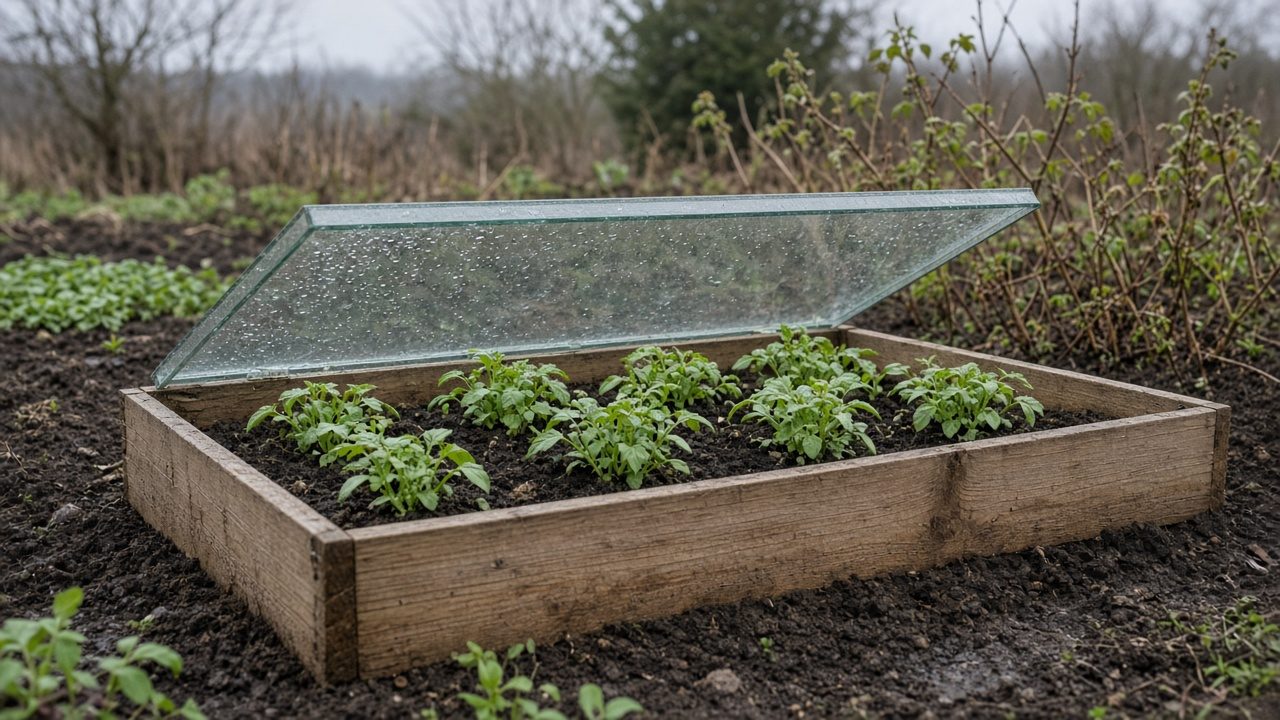
You can actively modify your growing environment by using protective structures. Raised garden beds drain excess moisture quickly and warm up significantly faster in early spring than flat native ground. Adding clear plastic row covers or temporary glass cold frames over your raised boxes can elevate daytime temperatures by ten to fifteen degrees, effectively extending your growing season by several weeks in both spring and autumn.
Taking the time to discover what plant zone am i in empowers you to make wise planting decisions, choose the most reliable crop varieties, and schedule garden tasks with total confidence. By pairing official hardiness data with careful observation of your yard’s frost dates and microclimates, you will enjoy a vibrant, productive vegetable garden season after season.
Frequently Asked Questions
How do I find my USDA plant hardiness zone?
You can find your plant hardiness zone by entering your five-digit postal ZIP code into the official USDA Plant Hardiness Zone Map online. The interactive map instantly reveals your designated zone, subzone, and historical minimum winter temperatures. Local county extension offices also provide regional zone and planting guidelines.
Does my plant zone tell me when to plant vegetables?
No, your plant hardiness zone only measures average minimum winter cold, which determines whether perennial plants can survive winter. For annual vegetables, planting timing is determined by your local spring and fall frost dates, not your hardiness zone. Annual crops need to be planted after the last spring frost has passed.
What is the difference between a hardiness zone and frost dates?
A hardiness zone indicates the extreme minimum winter temperature of a region over a thirty-year average, which helps assess perennial survival. Frost dates mark the average calendar dates in spring and fall when freezing temperatures occur, defining the active frost-free window for growing annual vegetables.
Can my backyard have a different microclimate than my regional zone?
Yes, individual backyards frequently feature distinct microclimates created by elevation, windbreaks, proximity to buildings, and slope. A south-facing garden bed against a warm wall may behave like a warmer subzone, while a low-lying hollow may experience colder frosts than the surrounding area.