Following a reliable zone 6 planting schedule gives home vegetable growers precise timing for starting seeds indoors, transplanting delicate crops, and harvesting cool-season produce. By matching your sowing calendar to your regional frost dates, you can protect tender seedlings from sudden freezes and maximize your garden’s productive growing window from early spring through late autumn.
USDA hardiness zone 6 spans a large portion of the central United States, offering an average frost-free growing season of approximately one hundred fifty to one hundred eighty days. With average extreme winter minimums between minus ten and zero degrees Fahrenheit, gardeners in this zone enjoy a balanced climate capable of producing cold-hardy spring greens, heat-loving summer nightshades, and bountiful autumn root crops.
Before ordering seeds and preparing beds, using a digital raised bed planner helps you calculate planting dates based on soil temperatures, organize bed rotations, and ensure proper spacing between crops. According to planting research from the University of Maryland Extension, adhering to regional planting windows prevents seedling stunting caused by cold outdoor soil and ensures warm-season crops have sufficient days to reach full maturity.
Navigating the seasons successfully requires understanding key frost dates, taking advantage of indoor seed starting equipment, and executing succession plantings throughout summer. By following a structured regional schedule, you will keep your garden beds brimming with fresh, nutritious vegetables across every month of the growing year.
Understanding the Zone 6 Frost Window and Growing Season
The foundation of every successful planting timetable is identifying your area’s average last spring frost date and first autumn frost date. In USDA zone 6, the average last spring frost typically occurs between April 15 and May 15, while the average first autumn frost arrives between October 15 and October 31. This provides a generous five-to-six-month frost-free window for outdoor vegetable cultivation.
To verify your specific geographic designation, consult the official USDA Plant Hardiness Zone Map or check with your local county extension office. If you are unsure about your exact zone boundaries, reviewing what plant zone am i in will help you pinpoint your local climate classification. Remember that frost dates represent statistical fifty-percent probabilities, meaning sudden late frosts can still occur in early May.
Calculating Last Spring and First Fall Frost Dates
Rather than relying on a single calendar day, experienced growers use a range of dates to guide planting activities. For delicate warm-weather vegetables like tomatoes, sweet peppers, and basil, waiting until Mother’s Day (mid-May) provides an added safety margin against sudden cold snaps. For hardy cool-season vegetables like spinach, peas, and radishes, planting can begin several weeks before the last spring frost date as soon as the soil is workable.
Monitoring Soil Temperatures Before Transplanting
Air temperature is only half of the equation; soil temperature is equally critical for healthy root growth. Cool-season seeds can germinate in soil temperatures as low as forty-five degrees Fahrenheit, but warm-season crops like tomatoes, peppers, and eggplants demand soil temperatures of at least sixty to sixty-five degrees. Using an inexpensive soil thermometer ensures you transplant seedlings into warm, hospitable soil that encourages rapid root establishment.
Indoor Seed Starting Timelines for Spring Crops
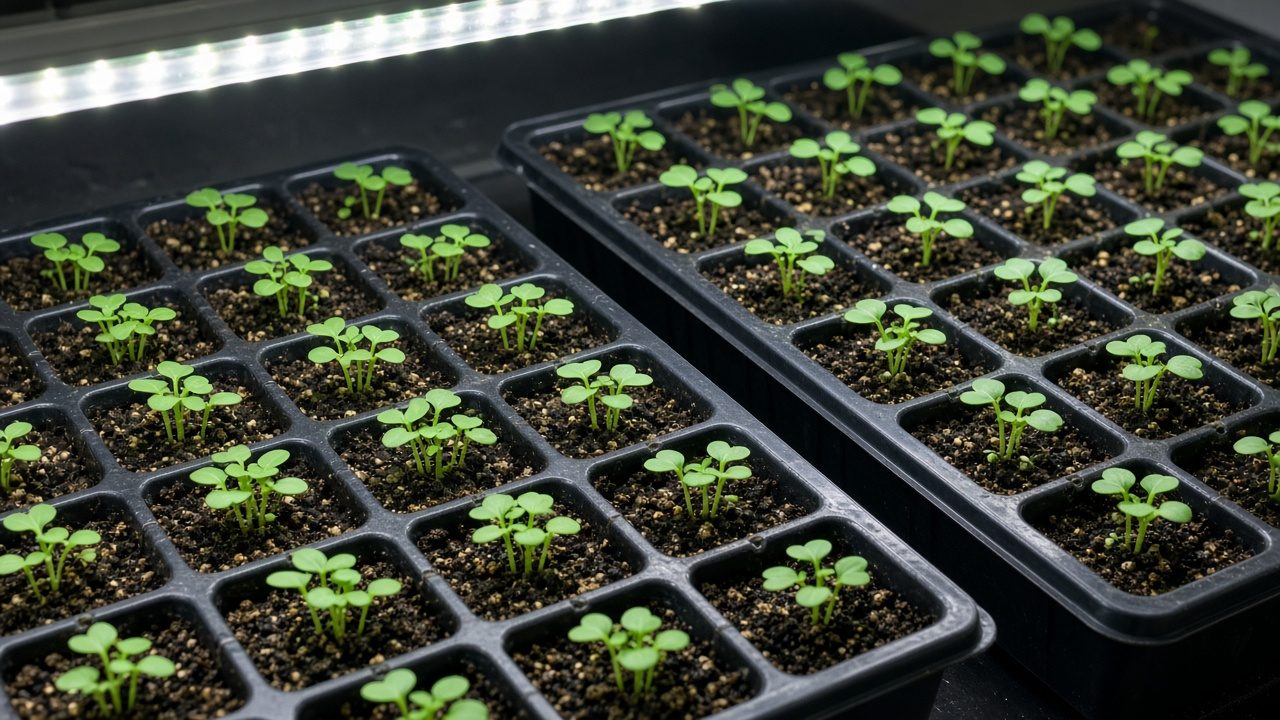
Indoor seed starting gives zone 6 gardeners a critical head start on the growing season. In late February and early March, while outdoor beds may still be covered in frost or snow, you can begin sowing slow-growing summer crops indoors under bright LED or fluorescent grow lights. Starting seeds indoors produces stocky, resilient transplants that are ready to hit the ground running the moment outdoor conditions allow.
Onions, leeks, and celery should be sown indoors in early February due to their extended seedling development period. In late February to early March, begin sowing cool-weather brassicas such as broccoli, cabbage, cauliflower, and kale for early spring transplanting. Warm-weather nightshades like tomatoes, eggplants, and sweet bell peppers should be started indoors six to eight weeks before your target outdoor transplant date, typically around mid-to-late March.
Starting Nightshades and Brassicas Under Lights
Providing sufficient artificial light is essential when starting seeds indoors in late winter. Window sills rarely provide enough direct sunlight, leading to tall, weak, leggy seedlings that struggle when moved outdoors. Position adjustable grow lights two to three inches above the top leaves of your seedlings, running the lights for fourteen to sixteen hours daily on a basic electrical timer.
Direct Seeding and Transplanting in Spring Beds
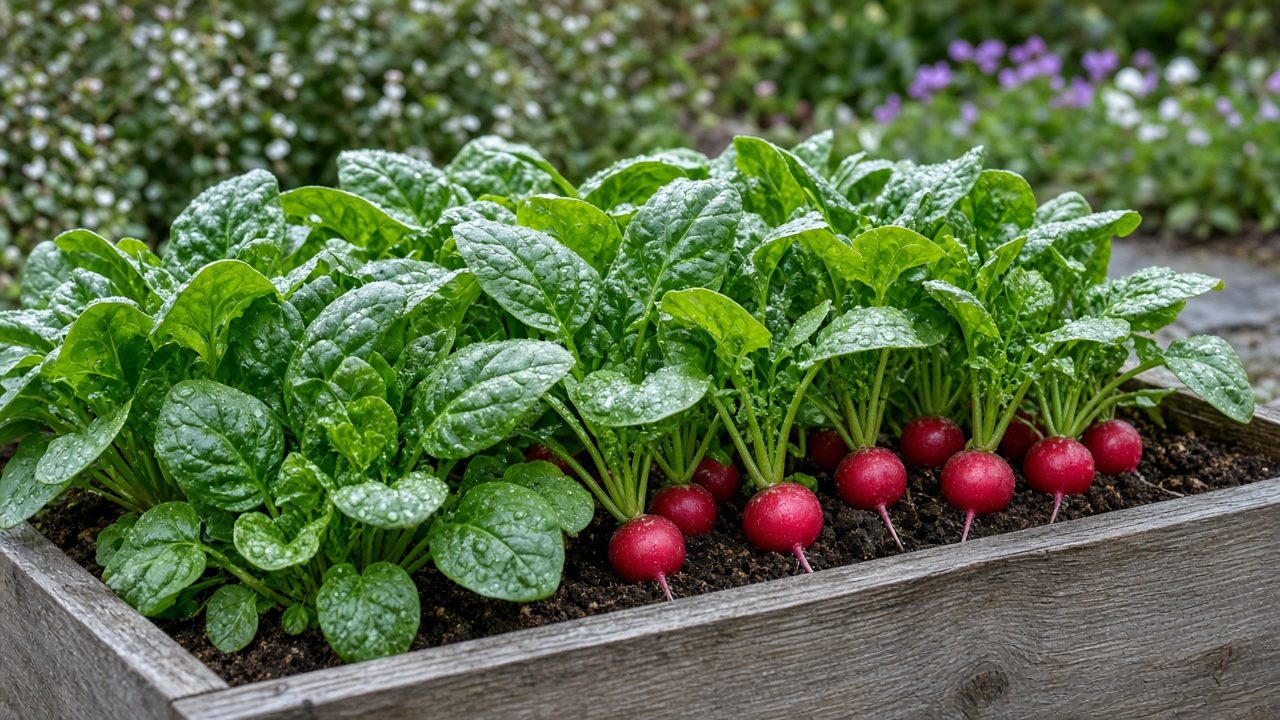
As early spring arrives in mid-March, outdoor garden activity accelerates rapidly. Direct seeding cold-tolerant crops into raised beds can begin as soon as the soil is thawed and crumbly. Sowing snap peas, spinach, radishes, arugula, and cilantro in mid-to-late March delivers crisp, early harvests long before summer crops are even planted.
By early-to-mid April, hardened-off transplants of broccoli, kale, Swiss chard, and cabbage can be moved into the garden. These frost-hardy plants easily tolerate light night freezes down to twenty-eight degrees Fahrenheit. As late April transitions into May, direct-seed root vegetables like carrots, beets, and turnips, along with successive plantings of leaf lettuce.
Planting Cool-Season Root Vegetables Outdoors
Root crops like carrots and parsnips should always be sown directly into garden beds rather than started in indoor trays. Transplanting disturbs the delicate taproot, causing carrots to fork, bend, or stunt. Sowing carrot seeds thinly in loose, stone-free raised bed soil in mid-April yields straight, sweet roots for early summer eating.
Midsummer Successions and Autumn Vegetable Harvests
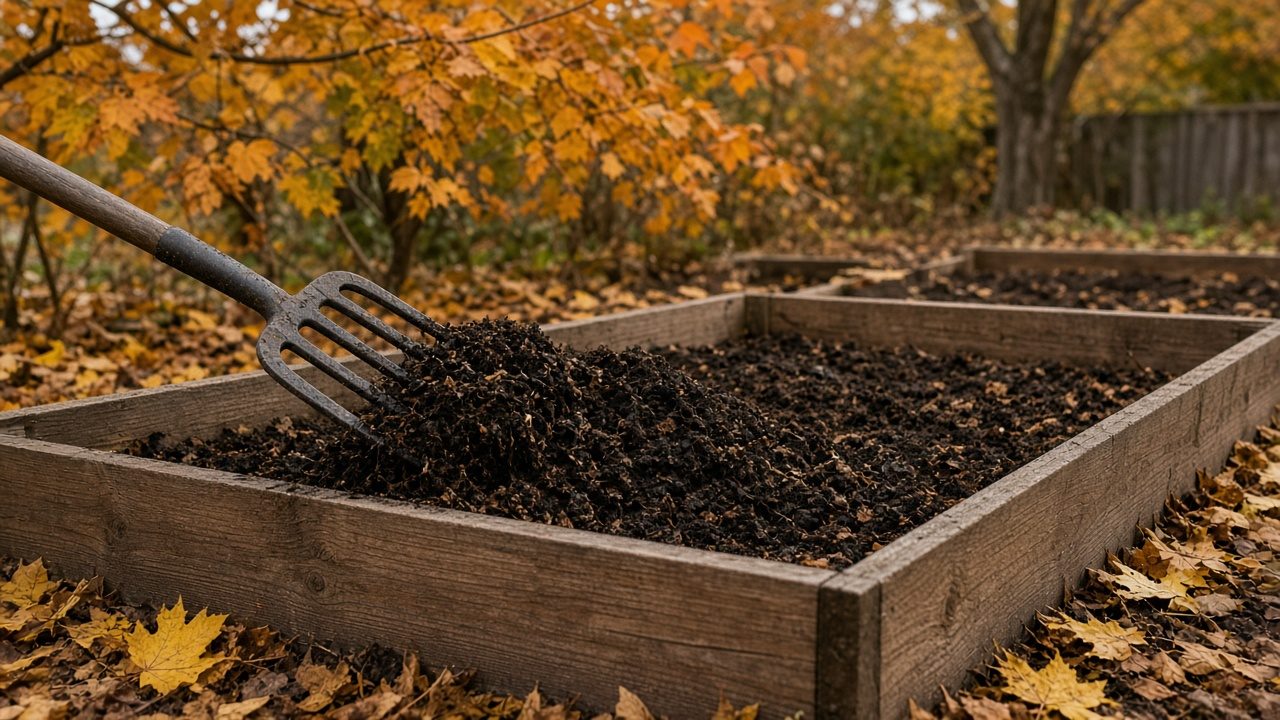
After your primary warm-season vegetables are established in mid-May, midsummer planning turns toward second-harvest succession crops. As early spring radishes, peas, and lettuces finish their life cycles in June and July, clear away spent foliage and replenish the soil with a two-inch top-dressing of organic compost. This freshly prepared soil is ready to receive seeds for an abundant fall garden.
In mid-July, start seeds of fall brassicas like broccoli and cabbage in shaded outdoor nursery flats. During August, direct-sow second plantings of bush beans, cucumbers, carrots, and turnips for autumn harvesting. Pairing complementary plants together using a proven companion planting chart maximizes space and natural pest protection during late summer pest surges.
Comprehensive Seasonal Planting Reference Table
To help you organize your seasonal garden tasks, the following schedule outlines optimal timing for starting seeds indoors, transplanting young seedlings, and direct sowing outdoors in USDA zone 6.
| Vegetable Crop | Start Seeds Indoors | Transplant into Beds | Direct Sow in Beds |
|---|---|---|---|
| Tomatoes | March 1 – March 15 | May 15 – May 30 | Not recommended |
| Sweet Peppers | February 15 – March 1 | May 15 – May 30 | Not recommended |
| Broccoli | February 15 – March 1 | April 1 – April 15 | July 1 – July 15 (Fall) |
| Snap Peas | Not recommended | Not recommended | March 15 – April 1 |
| Carrots | Not recommended | Not recommended | April 1 – May 1 |
| Bush Beans | Not recommended | Not recommended | May 15 – June 15 |
| Spinach | February 1 – February 15 | March 15 – April 1 | August 15 – September 1 (Fall) |
Adhering to this structured zone 6 planting schedule removes the guesswork from vegetable gardening, helping you sow and harvest at the perfect seasonal intervals. With thoughtful indoor starting, timely outdoor transplanting, and reliable autumn successions, your backyard garden will remain fertile, productive, and rewarding across all seasons.
Frequently Asked Questions
When is the last spring frost date for zone 6?
In USDA zone 6, the average last spring frost date falls between April 15 and May 15. Most experienced growers wait until mid-May, around Mother’s Day, to transplant tender warm-season crops like tomatoes and peppers into open garden beds.
When should I start tomato seeds indoors in zone 6?
Tomato seeds should be started indoors six to eight weeks before your target outdoor transplant date, which places indoor sowing between March 1 and March 15 for zone 6. This timing produces stocky, vigorous seedlings ready for transplanting in mid-to-late May.
Can I grow a second vegetable crop in late summer in zone 6?
Yes, zone 6 offers an outstanding window for a second fall harvest. In July and August, you can sow seeds for autumn crops like carrots, bush beans, spinach, turnips, kale, and broccoli, which thrive in cooler autumn weather.
What vegetables can be direct sown outdoors in early spring?
Cold-hardy vegetables such as snap peas, spinach, radishes, arugula, and cilantro can be direct sown outdoors as early as mid-to-late March in zone 6, as soon as the soil has thawed and is workable.